
Kilimanjaro Climb Marangu Route: Complete Guide to Itinerary, Preparation, and Success
- Mount Kilimanjaro Expeditions - Routes
- Your Guide to the Kilimanjaro Climb on the Marangu Route
This comprehensive guide explains the itinerary, preparation strategies, and factors influencing success on this iconic route. It covers essential aspects such as acclimatization, packing lists, physical and mental training, and logistical details so climbers can maximize safety and enjoyment. Readers will learn what to expect each day, the challenges posed by altitude and weather, and how to prepare gear accordingly. With its reputation for ease, supportive local guides and porters, and sustainable practices by operators like Nyange Adventures, the Marangu Route remains a top choice to experience Africa’s tallest volcano.
Enquire your Trip Now
How Difficult Is the Marangu Route and What Is Its Success Rate?
While the Marangu Route is considered one of the less technically difficult paths on Kilimanjaro, it poses challenges chiefly related to altitude and weather variability. Its structured itinerary with built-in acclimatization days contributes to a high success rate, often ranging between 80% and 90% for reaching the summit.
Marangu Route Itinerary
The Marangu Route itinerary spans six days, allowing climbers ample time to acclimatize while traversing varied ecological zones. Here’s a concise overview of each day:
Upon your arrival at Kilimanjaro Airport (JRO) our driver will be waiting just outside the Customs Control area with a Nyange Adventure sign with your name on it. After he loads your bags into our van, he will drive you to your hotel in Moshi. Once you are settled in, your guide will go through a pre-climb briefing where all your questions will be answered and important information will be given. There will be an equipment check to ensure that you have everything needed to make your climb comfortable and safe. If you need any equipment, any/all items can be rented locally of good quality at a fair price. Note that if your arrival is at night, the briefing and equipment check may be done early the next morning instead.
Elevation Gain: 870 metres / 2,900 feet Hiking Time: 4 to 5 hours Habitat: Rainforest After breakfast, you’ll get picked up from your hostel/hotel in Moshi and driven to the starting point at Marangu Gate (approximately 45 mins). After registration, you will begin your journey to the summit of Mount Kilimanjaro using a well-maintained trail through Montane Forest. On the way, you’ll walk through dense rainforest and coffee plantations as your guide talks you through some of the local flora and fauna. Here you will also get a very good chance of witnessing Black and White Colobus monkeys, as well as many different species of brightly-coloured birds. Mandara Hut is a group of dormitory-style wooden huts with solar generated lighting. The camp accommodates up to 60 hikers, and has all necessary facilities, including water and toilets.
Elevation Gain: 1,020 metres/ 3,300 feet Hiking Time: 6 to 8 hours Habitat: Moorland On your second day, you’ll embark on a hike which traverses a slightly steeper trail to Horombo Hut. The trail passes through more of Montane Forest before transitioning into the moorland vegetation zone, where you’ll find rolling alpine meadows dotted with giant heather trees. Once in the open moorland, you’ll also get the opportunity to see plants like the giant lobelia and giant groundsel, which can grow to an outstanding 16ft in height! After approximately six hours of hiking, you will reach Horombo Hut, where you’ll have hot water to wash, an evening meal and an overnight rest. Horombo is a village of huts perched on a small plateau with buildings similar to Mandara, but with a total capacity of 120 climbers.
An extra day at Horombo Hut provides an opportunity to acclimatize and increase your chances of making it to the summit. There are a number of walks within the vicinity of the huts which are strongly recommended to further help with the process of acclimatizing to the altitude. The most popular hike is to the Mawenzi Saddle, passing the Zebra Rocks along the way. Remember to drink enough water and move slowly (pole, pole). After the four to five-hour hike (round-trip), you’ll then enjoy an evening meal before retreating to bed early for a good night’s rest.
Elevation Gain: 980 metres / 3,200 feet Hiking Time: 6 to 8 hours Habitat: Alpine Desert Wake up early to catch the sunrise and get some great photos! After a full breakfast, you will then continue to trek at a slow pace through the heathland, which quickly turns into an almost lunar-like landscape as you enter the saddle between Mawenzi and Kibo. During this hike, you may start to experience some symptoms of altitude sickness. Pay attention to your body and keep your guide informed. From here you will start to get fantastic views of Mount Kilimanjaro’s summit before arriving at Kibo Hut – a dry-stone-walled hut with dormitories and limited facilities. Rest for the evening at Kibo Huts and prepare for your final ascent to the Mount Kilimanjaro summit!
Elevation Gain: 1,195 metres / 3,940 feet Elevation Loss: 2,175 metres / 7,140 feet Hiking time: 6 to 7 hours to Uhuru Peak; 7 to 8 hours to Horombo Huts Habitat: Arctic conditions This is where the going gets really tough! Just before midnight, you will venture into the night and begin your final ascent to the summit of Mount Kilimanjaro “Uhuru Peak”. Head northwest through the heavy stone scree following multiple switchbacks between Ratzel and Rebmann glaciers until you reach Stella Point (5,685m).This section is probably the most challenging part of the route to Uhuru Peak, and will require great physical and mental effort. Continue to move slowly, always listening to your guide. After a short rest at Stella Point, you will hike along the crater rim for another hour before reaching your ultimate goal – Uhuru Peak! Congratulations! You have now made it to the “Roof of Africa” the top of Mount Kilimanjaro. Weather conditions on the summit will determine how long you will be able to spend there, but it is important to start your descent within good time because there is plenty of trekking left on this day. Lunch will be ready for you at Kibo Hut then the descent continues down to Horombo Hut for dinner and overnight rest.
Elevation Loss: 1,890 metres / 6,200 feet Hiking Time: 5 to 7 hours Habitat: Rainforest After eating breakfast, you will begin the easiest part of your adventure on Mount Kilimanjaro via a scenic path through the forest to Marangu Gate. Once back in Moshi you will be rewarded any certificates earned for reaching Stella Peak or Uhuru Oeak, say goodbye to your mountain crew, and have the opportunity to tip them.
Our driver will be available at any time to take you to Kilimanjaro Airport for your flight home (or to Zanzibar?). Breakfast is included in your Kilimanjaro Trek Package. Hotel Checkout is at 10am but if you have a later flight we might be able to negotiate a late checkout or book a dayroom for you (additional charge for a dayroom).
- Day 01 : Arrival in Moshi
Upon your arrival at Kilimanjaro Airport (JRO) our driver will be waiting just outside the Customs Control area with a Nyange Adventure sign with your name on it. After he loads your bags into our van, he will drive you to your hotel in Moshi. Once you are settled in, your guide will go through a pre-climb briefing where all your questions will be answered and important information will be given. There will be an equipment check to ensure that you have everything needed to make your climb comfortable and safe. If you need any equipment, any/all items can be rented locally of good quality at a fair price. Note that if your arrival is at night, the briefing and equipment check may be done early the next morning instead.
- Accomodation
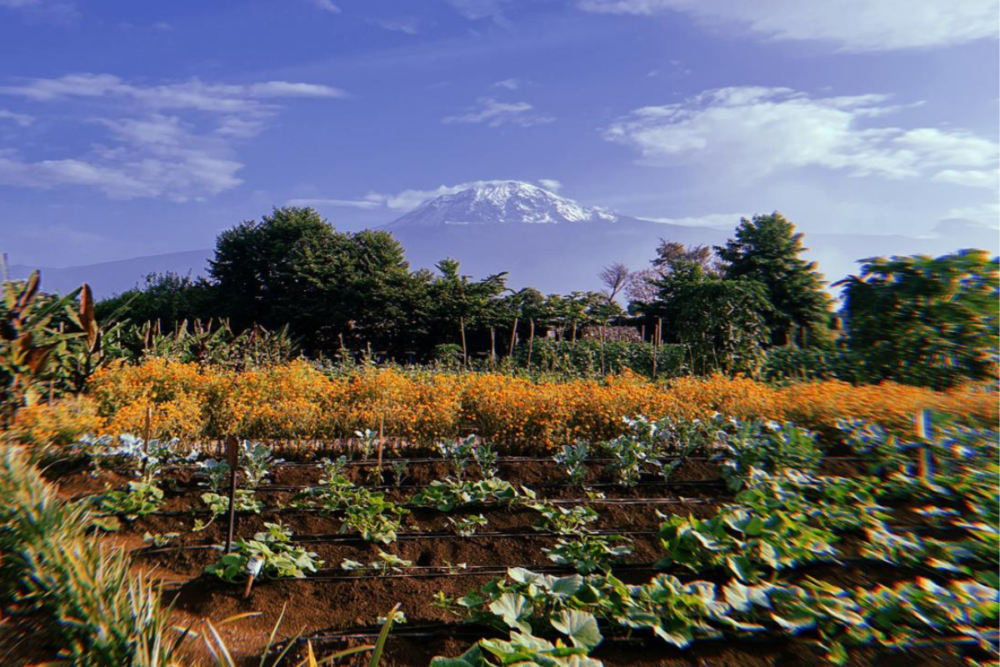
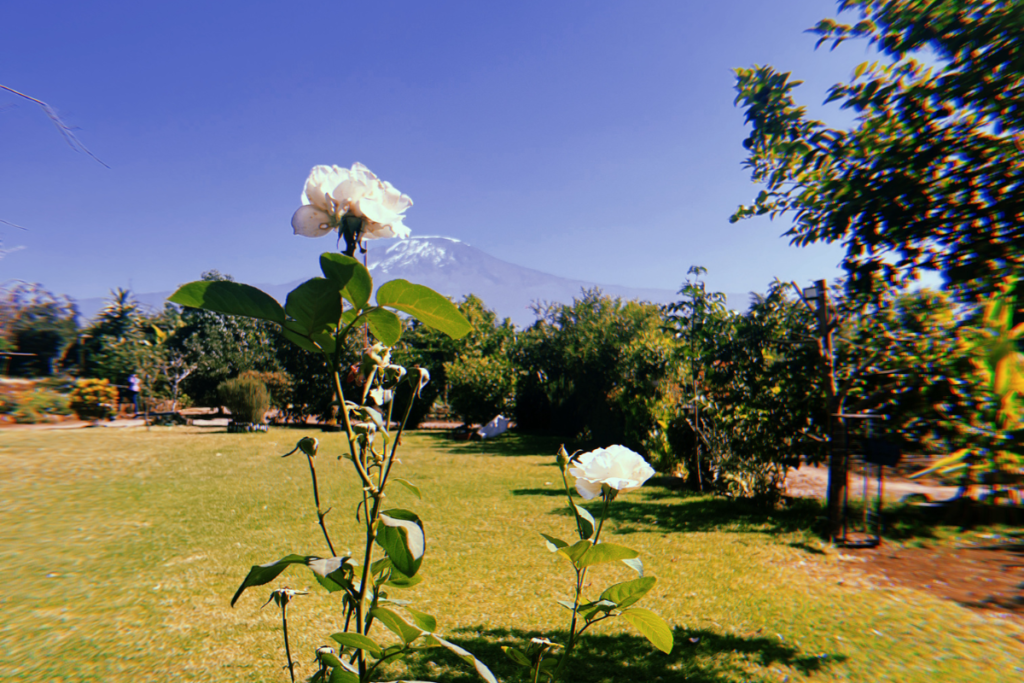
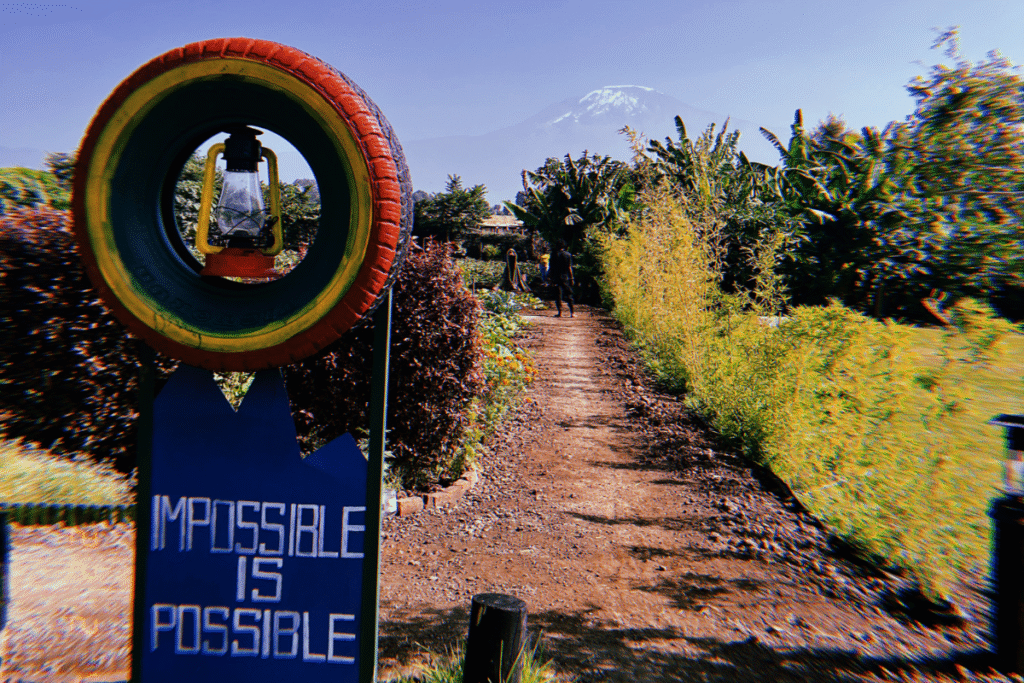
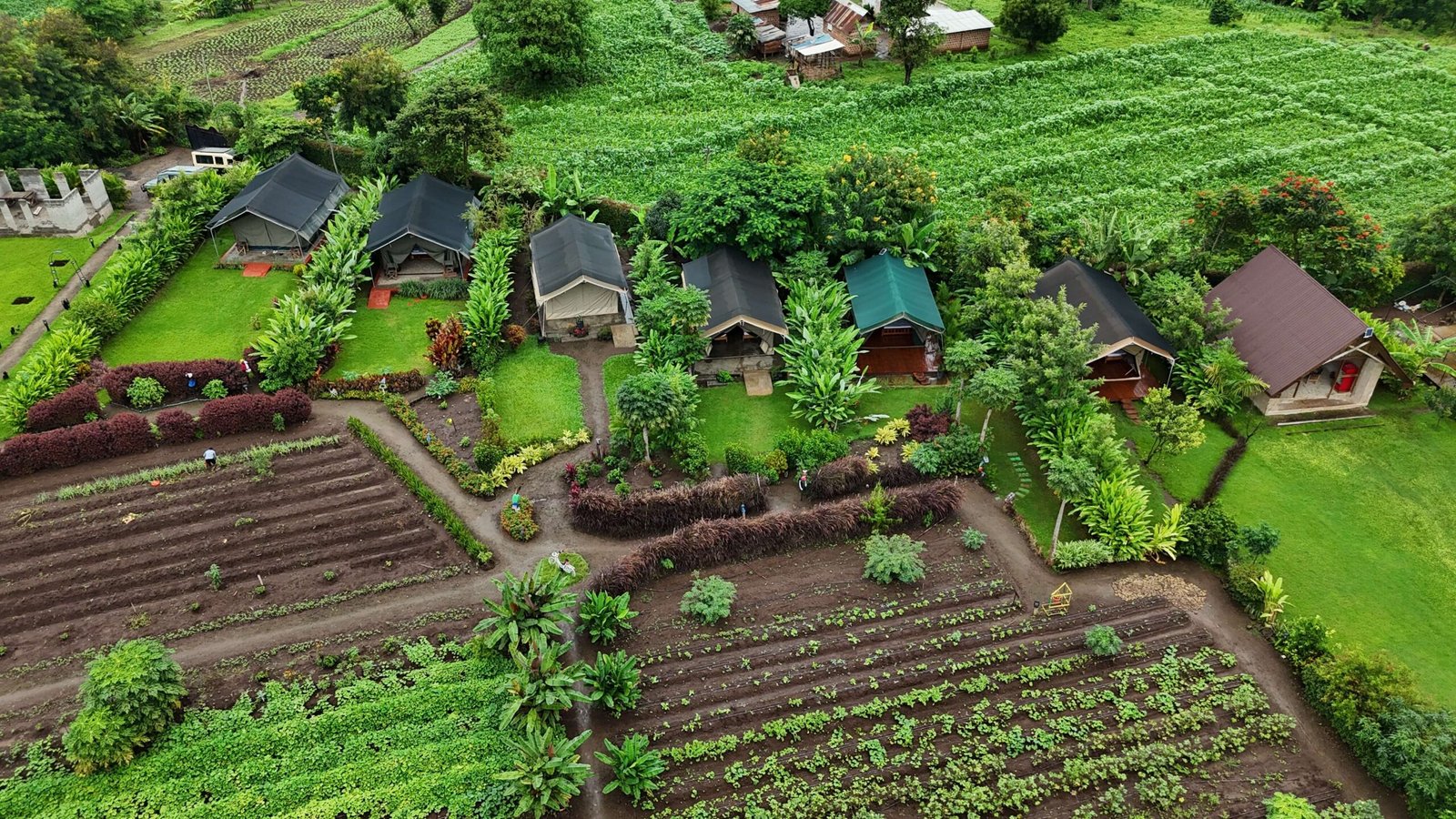
Nestled in the heart of the Tanzanian countryside, just outside Moshi, Kibo View Farm Lodge is more than just a place to stay—it’s an experience waiting to be discovered. Wake up to breathtaking views of Mount Kilimanjaro, breathe in the fresh farm air, and enjoy delicious meals made with homegrown ingredients straight from our land.
- Day 02 : Marangu Gate (1,830m/6,000ft) to Mandara Huts (2,700m/ 8,900ft)
Elevation Gain: 870 metres / 2,900 feet Hiking Time: 4 to 5 hours Habitat: Rainforest After breakfast, you’ll get picked up from your hostel/hotel in Moshi and driven to the starting point at Marangu Gate (approximately 45 mins). After registration, you will begin your journey to the summit of Mount Kilimanjaro using a well-maintained trail through Montane Forest. On the way, you’ll walk through dense rainforest and coffee plantations as your guide talks you through some of the local flora and fauna. Here you will also get a very good chance of witnessing Black and White Colobus monkeys, as well as many different species of brightly-coloured birds. Mandara Hut is a group of dormitory-style wooden huts with solar generated lighting. The camp accommodates up to 60 hikers, and has all necessary facilities, including water and toilets.
- Day 03 : Mandara Huts (2,700m/8,900ft) to Horombo Huts (3,720m/12,200ft)
Elevation Gain: 1,020 metres/ 3,300 feet Hiking Time: 6 to 8 hours Habitat: Moorland On your second day, you’ll embark on a hike which traverses a slightly steeper trail to Horombo Hut. The trail passes through more of Montane Forest before transitioning into the moorland vegetation zone, where you’ll find rolling alpine meadows dotted with giant heather trees. Once in the open moorland, you’ll also get the opportunity to see plants like the giant lobelia and giant groundsel, which can grow to an outstanding 16ft in height! After approximately six hours of hiking, you will reach Horombo Hut, where you’ll have hot water to wash, an evening meal and an overnight rest. Horombo is a village of huts perched on a small plateau with buildings similar to Mandara, but with a total capacity of 120 climbers.
- Day 04 : Horombo Huts (3,720m) - Acclimatization Day
An extra day at Horombo Hut provides an opportunity to acclimatize and increase your chances of making it to the summit. There are a number of walks within the vicinity of the huts which are strongly recommended to further help with the process of acclimatizing to the altitude. The most popular hike is to the Mawenzi Saddle, passing the Zebra Rocks along the way. Remember to drink enough water and move slowly (pole, pole). After the four to five-hour hike (round-trip), you’ll then enjoy an evening meal before retreating to bed early for a good night’s rest.
- Day 05 : Horombo Huts (3,720m/12,200ft) to Kibo Huts (4,700m/ 15,400ft)
Elevation Gain: 980 metres / 3,200 feet Hiking Time: 6 to 8 hours Habitat: Alpine Desert Wake up early to catch the sunrise and get some great photos! After a full breakfast, you will then continue to trek at a slow pace through the heathland, which quickly turns into an almost lunar-like landscape as you enter the saddle between Mawenzi and Kibo. During this hike, you may start to experience some symptoms of altitude sickness. Pay attention to your body and keep your guide informed. From here you will start to get fantastic views of Mount Kilimanjaro’s summit before arriving at Kibo Hut – a dry-stone-walled hut with dormitories and limited facilities. Rest for the evening at Kibo Huts and prepare for your final ascent to the Mount Kilimanjaro summit!
- Day 06 : SUMMIT DAY! - Kibo Huts (4,700m/ 15,400ft) to Uhuru Peak (5,895m/ 19,340ft) to Horombo Huts (3,720m/12,200ft)
Elevation Gain: 1,195 metres / 3,940 feet Elevation Loss: 2,175 metres / 7,140 feet Hiking time: 6 to 7 hours to Uhuru Peak; 7 to 8 hours to Horombo Huts Habitat: Arctic conditions This is where the going gets really tough! Just before midnight, you will venture into the night and begin your final ascent to the summit of Mount Kilimanjaro “Uhuru Peak”. Head northwest through the heavy stone scree following multiple switchbacks between Ratzel and Rebmann glaciers until you reach Stella Point (5,685m).This section is probably the most challenging part of the route to Uhuru Peak, and will require great physical and mental effort. Continue to move slowly, always listening to your guide. After a short rest at Stella Point, you will hike along the crater rim for another hour before reaching your ultimate goal – Uhuru Peak! Congratulations! You have now made it to the “Roof of Africa” the top of Mount Kilimanjaro. Weather conditions on the summit will determine how long you will be able to spend there, but it is important to start your descent within good time because there is plenty of trekking left on this day. Lunch will be ready for you at Kibo Hut then the descent continues down to Horombo Hut for dinner and overnight rest.
- Day 07 : Horombo Huts (3,720m) to Marangu Gate (1,830m/6,000ft)
Elevation Loss: 1,890 metres / 6,200 feet Hiking Time: 5 to 7 hours Habitat: Rainforest After eating breakfast, you will begin the easiest part of your adventure on Mount Kilimanjaro via a scenic path through the forest to Marangu Gate. Once back in Moshi you will be rewarded any certificates earned for reaching Stella Peak or Uhuru Oeak, say goodbye to your mountain crew, and have the opportunity to tip them.
- Day 08 : Departure Day
Our driver will be available at any time to take you to Kilimanjaro Airport for your flight home (or to Zanzibar?). Breakfast is included in your Kilimanjaro Trek Package. Hotel Checkout is at 10am but if you have a later flight we might be able to negotiate a late checkout or book a dayroom for you (additional charge for a dayroom).
What Should You Pack for the Marangu Route Climb?
A well-planned packing list is crucial for a safe and comfortable climb. Given the rapid changes in weather—from humid lower slopes to icy alpine meadows—gear must be versatile and lightweight while providing adequate warmth and protection.
What Clothing Is Essential for the Marangu Route?
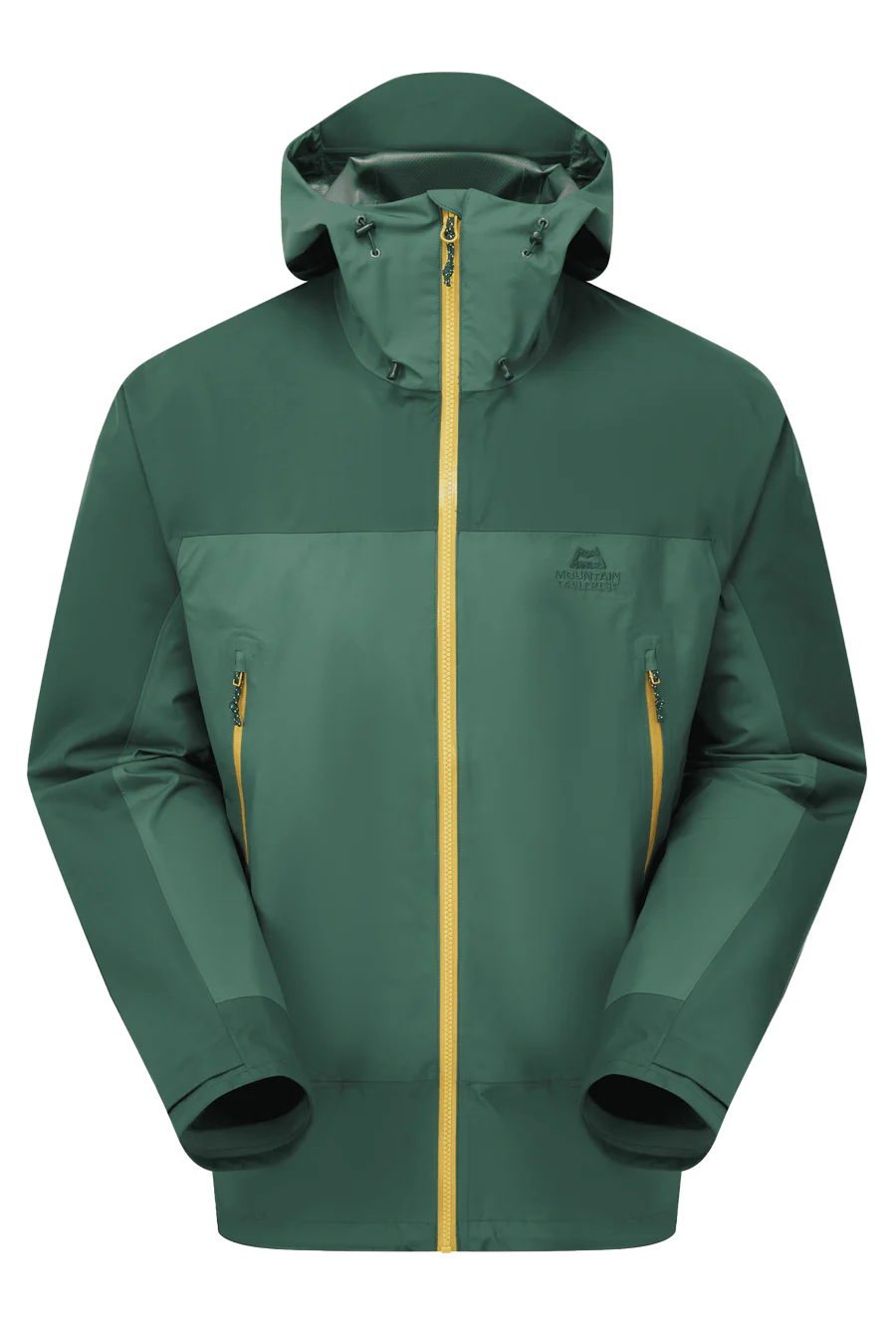
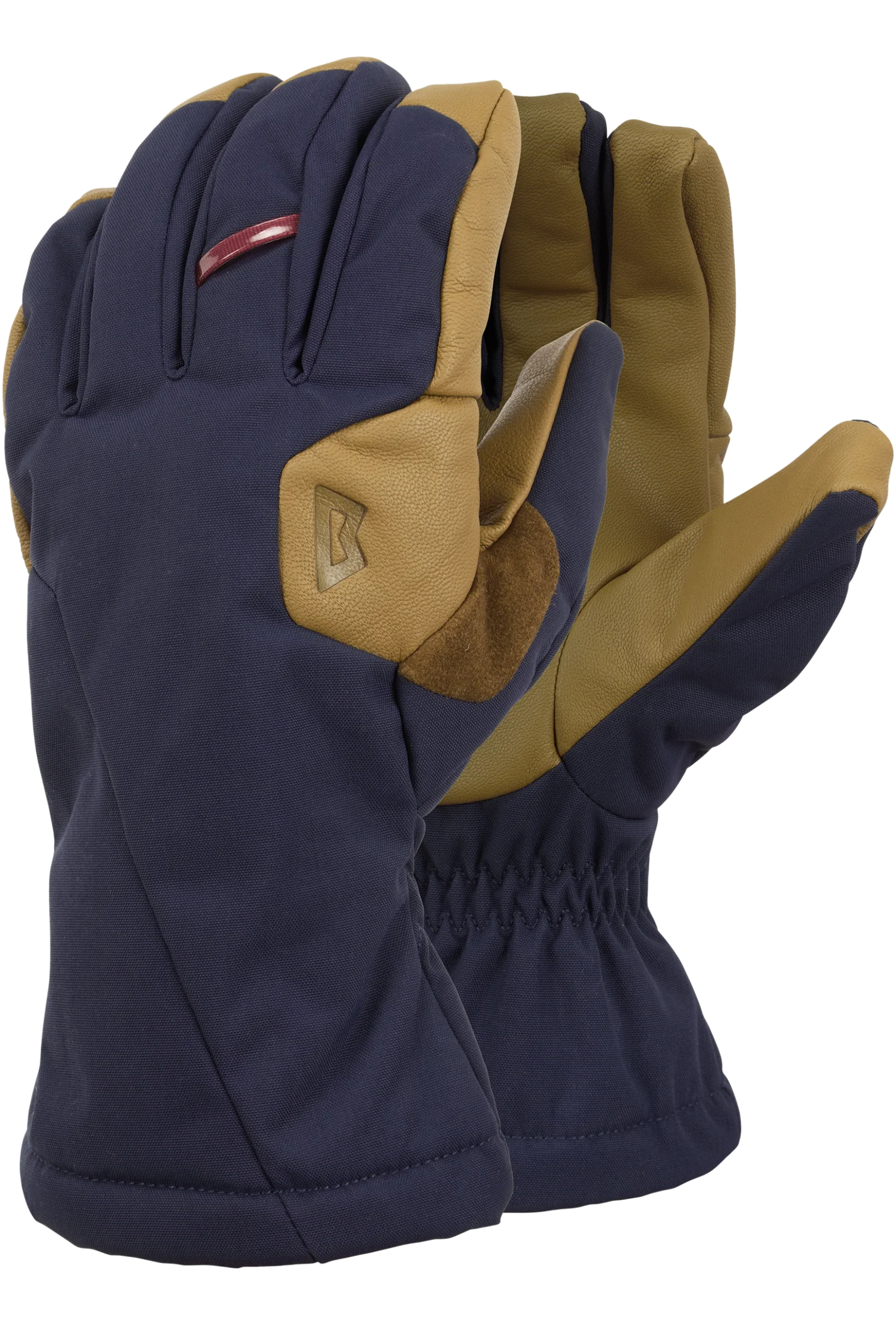
Climbers should pack moisture-wicking base layers paired with insulating mid-layers and a waterproof, windproof jacket. A fleece jacket, proper hiking pants, durable socks, and thermal underwear are essential to tackle the varying conditions encountered from forested lower slopes to the alpine desert.
Which Equipment and Gear Are Required?
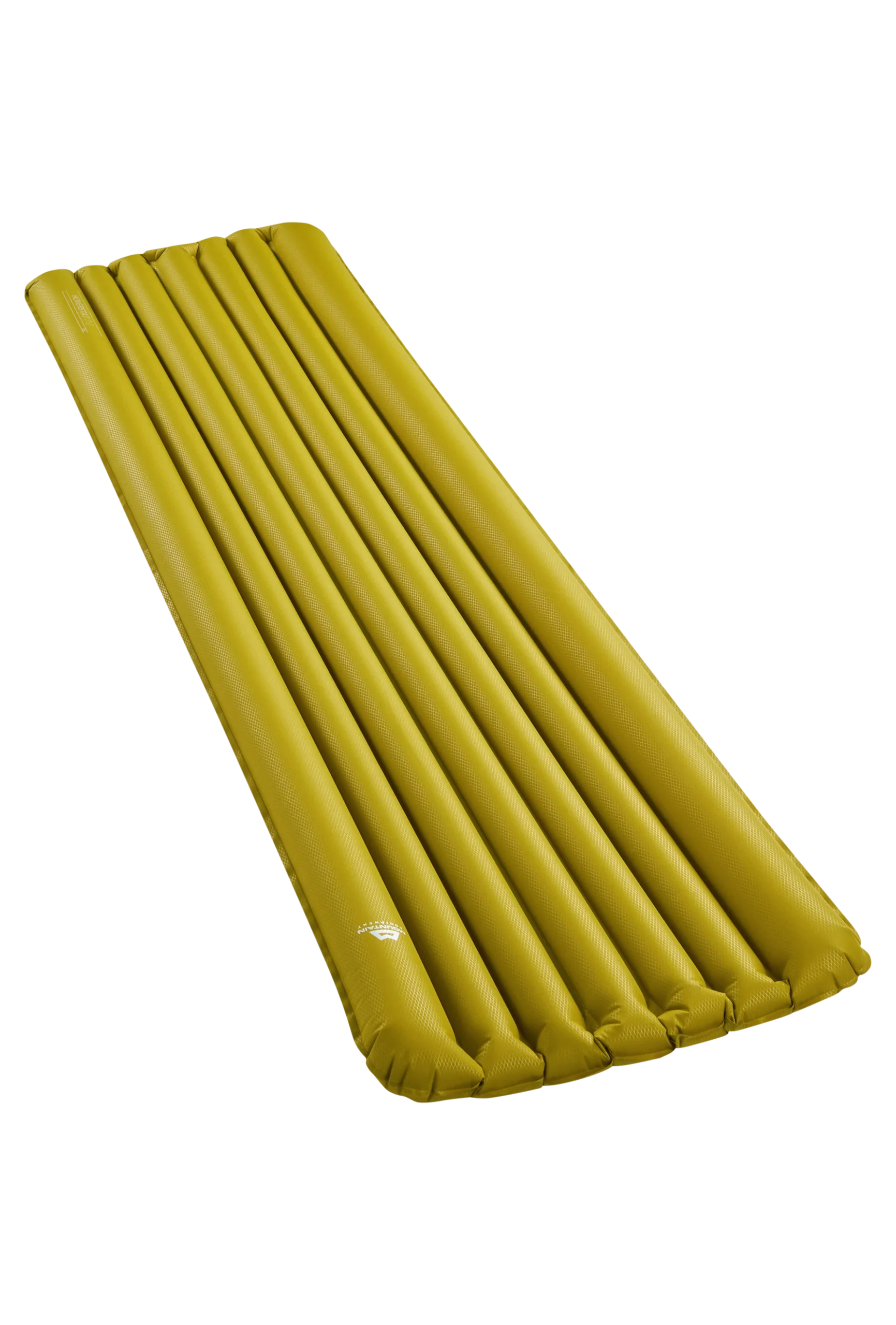
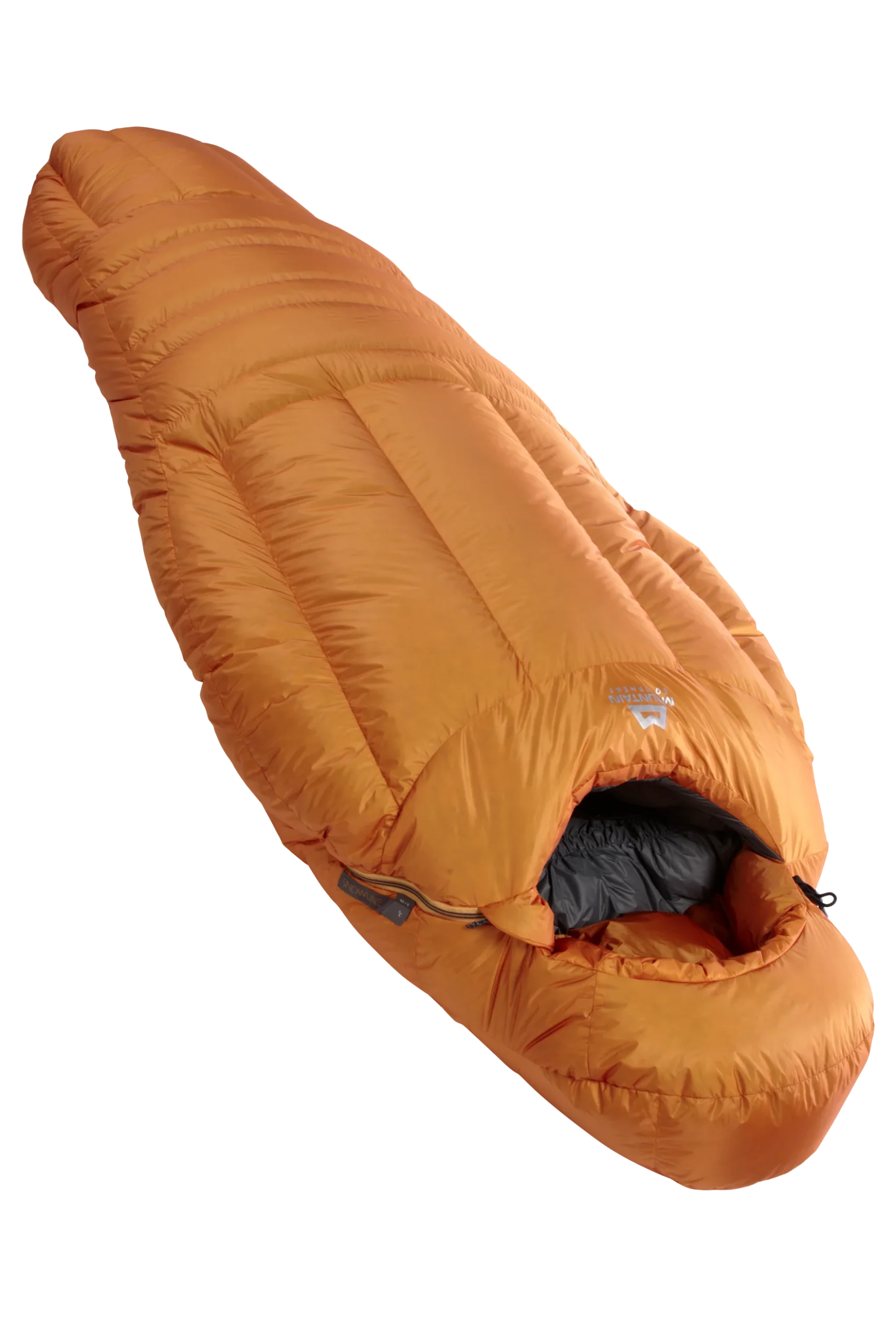
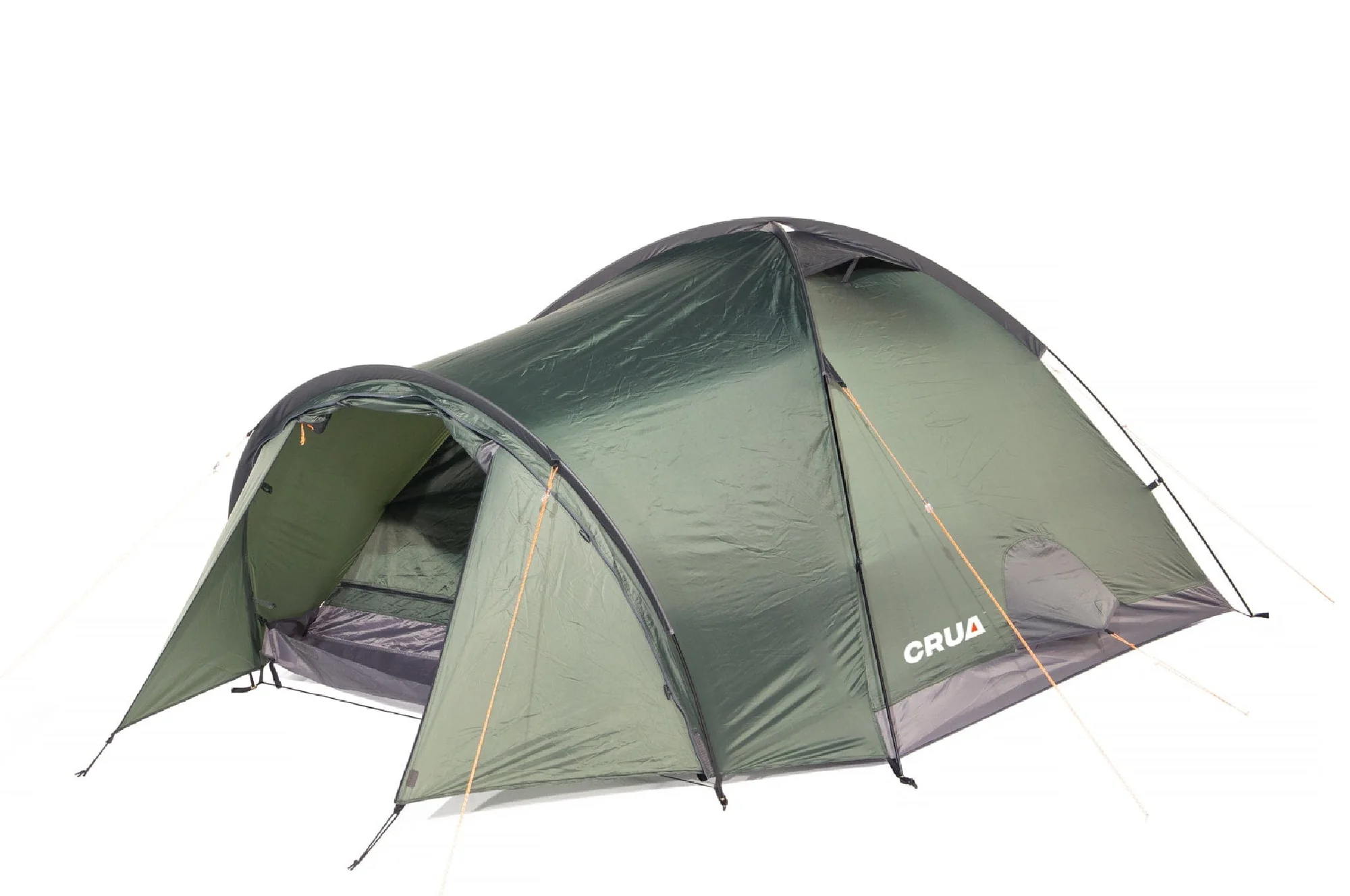
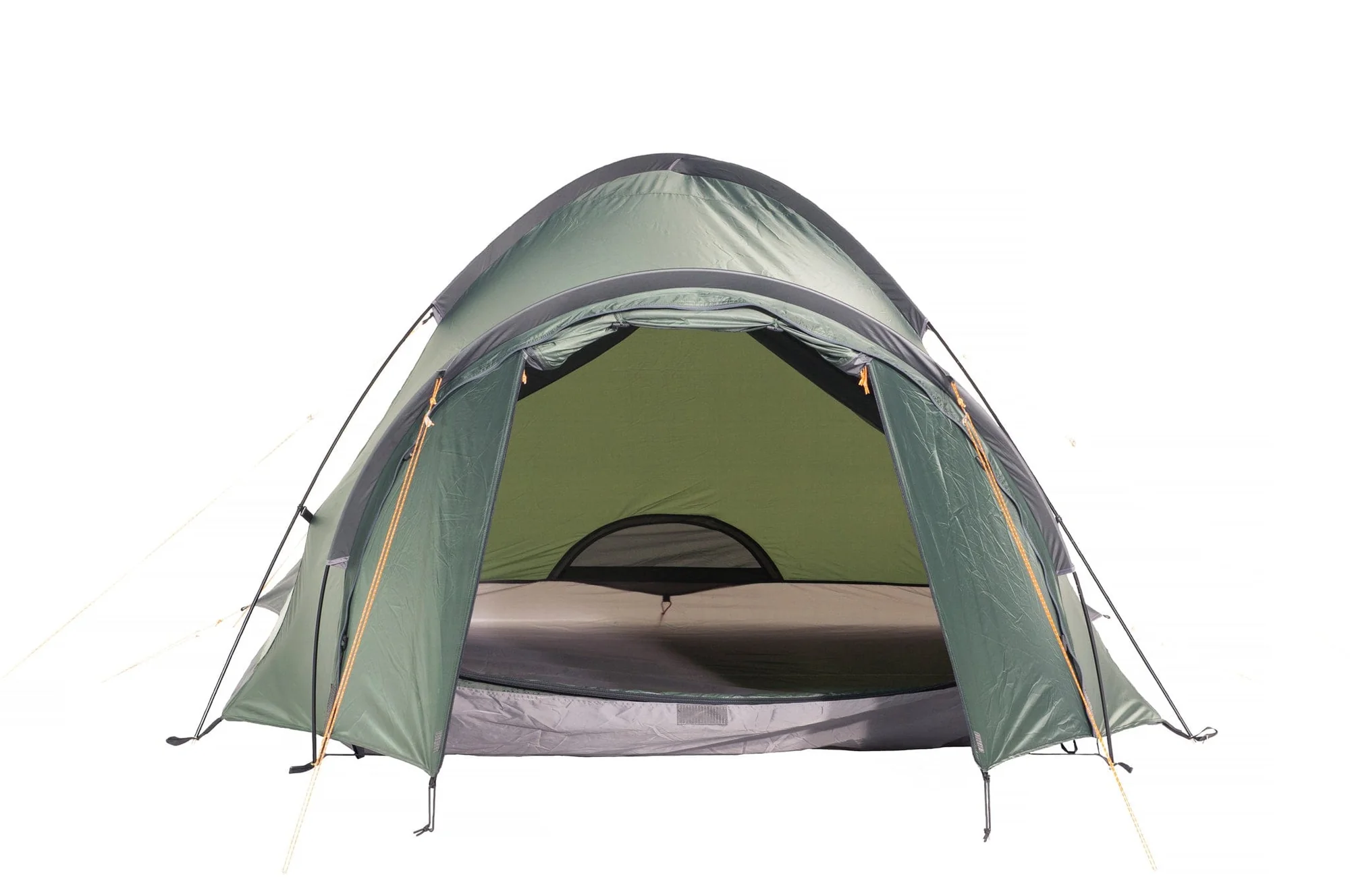
Key equipment includes a robust waterproof backpack, a sleeping bag rated for sub-zero temperatures, and sturdy hiking boots with ankle support. Additional essentials are trekking poles, a headlamp for early mornings, an insulated water bottle, and extra batteries. Optional items include a lightweight tent if extra acclimatization or camping is planned outside hut facilities, and navigation tools like maps and a compass to aid on marked trails.
What Accessories and Health Items Should You Bring?
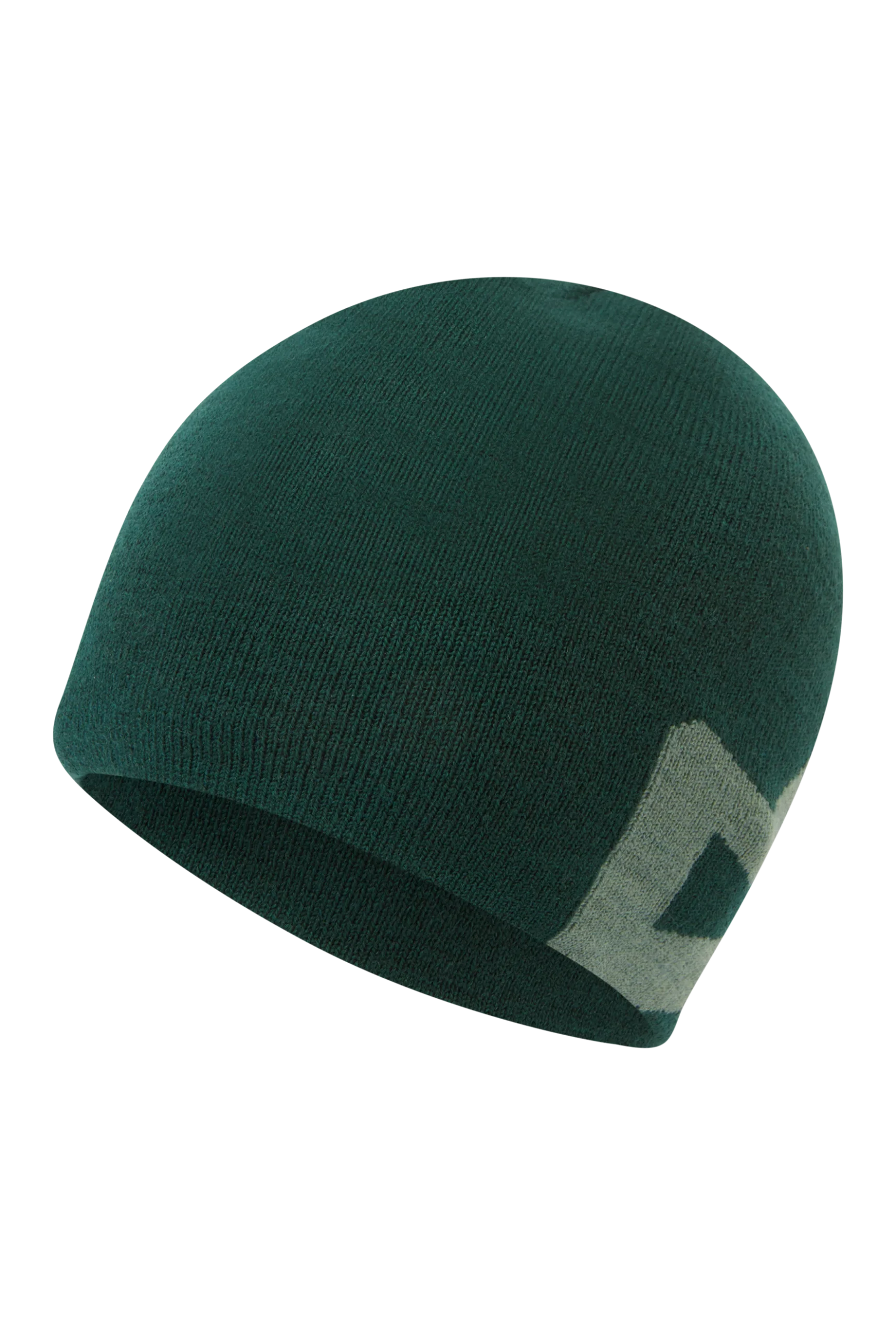
A comprehensive first aid kit containing altitude sickness medication, bandages, and blister treatments is a must. Protective items such as sunglasses, sunscreen, and a wide-brimmed hat shield climbers from harsh UV rays. Energy snacks—protein bars, dried fruits, and nuts—help sustain energy, while travel insurance designed for high-altitude trekking is strongly recommended.
Are There Specific Packing Tips for Men and Women?
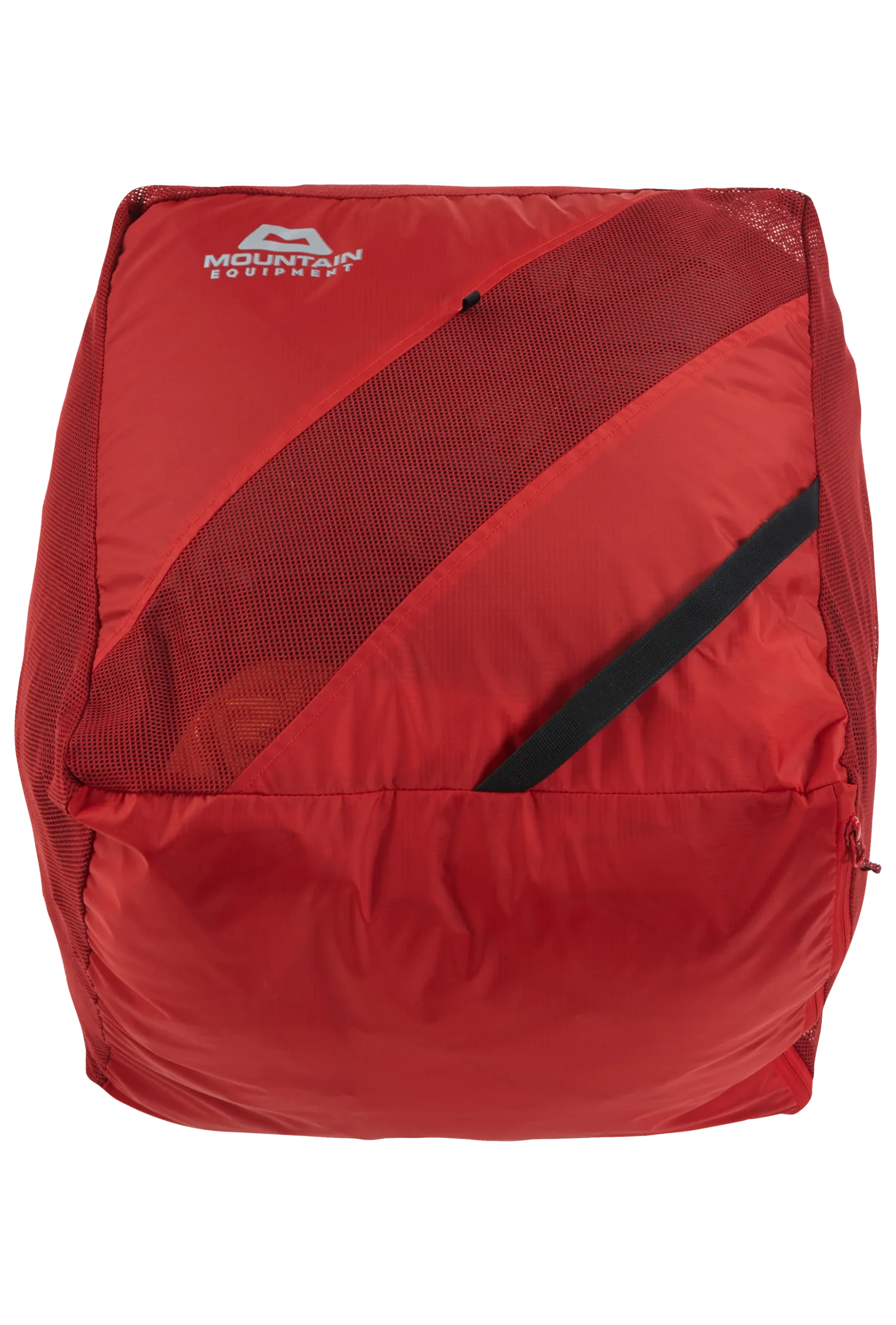
While most items are universal, gender-specific suggestions can optimize comfort. Women may benefit from additional moisture-wicking layers and specialized sports bras, whereas men might opt for convertible pants that change from long to shorts. Packing cubes and compression sacks are useful for organizing items efficiently and saving space.
How to Prepare Physically and Mentally for the Marangu Route Climb?
Successful climbs on Kilimanjaro require rigorous physical and mental preparation. Climbers need to build endurance, strength, and flexibility while also developing strategies to tackle altitude sickness and unexpected weather changes.
Effective training includes cardiovascular activities like hiking, running, and using stairs to simulate mountain conditions. Resistance exercises such as squats and lunges build leg strength, while yoga and balance exercises improve stability on uneven terrain. A gradually intensifying training routine will help prepare the body for extended periods of activity and steep ascents and descents.
The best defense against altitude sickness is gradual acclimatization. Climbers should adhere to a slow pace, maintain high hydration levels, and consume high-energy foods. When necessary, prescribed medications (e.g., acetazolamide) can help the body adjust quicker. Early recognition of symptoms like headaches, nausea, or dizziness is vital so that immediate steps—such as additional rest or medical intervention—can be taken.
Strict health protocols ensure climber safety. Daily briefings remind teams to monitor heart rates, drink water regularly, and pace themselves. Comprehensive medical kits and periodic health check-ups at huts like Horombo are standard practice. In emergencies, climbers are familiarized with evacuation procedures and the availability of supplemental oxygen.
How to Book Your Marangu Route Climb and What to Expect Logistically?
Standard packages include accommodations in established huts, meals adapted for high altitudes, and a full guided trek. Operators often provide gear rental options, transportation from the airport, and comprehensive pre-climb briefings regarding health and safety. Some packages also offer supplemental oxygen and continuous communication to monitor climber conditions throughout the journey, making logistics straightforward and stress-free.
Who Are the Guides and Porters Supporting Your Marangu Route Climb?
How Does Nyange Adventures Promote Sustainable and Responsible Climbing on the Marangu Route?
Top 7 Essential Tips for a Successful Marangu Route Climb
- Train Regularly – Strength and Endurance: Engage in cardiovascular exercises, hiking, and strength training for at least three months prior to the climb.
- Acclimatize Gradually – Prioritize Safety: Follow a strict acclimatization schedule and adopt a “climb high, sleep low” strategy.
- Test Your Gear – Ensure Functionality: Test all equipment in similar conditions before the climb to ensure reliable performance.
- Stay Hydrated and Nourished – Fuel Your Body: Maintain a strict hydration and nutrition regimen; consume high-calorie, nutrient-dense foods throughout the trek.
- Listen to Your Body – Know Your Limits: Recognize early symptoms of altitude sickness or fatigue and communicate with your guide immediately.
- Invest in Quality Guides – Experience Matters: Choose reputable trekking companies with experienced local guides and porters to enhance safety.
- Plan and Book Early – Secure Your Adventure: Early planning and booking help secure permits, accommodations, and gear, ensuring a hassle-free trek.
Frequently Asked Questions
The Marangu Route is one of Mount Kilimanjaro’s most popular trekking paths. Known as the “cobbled route,” it features a gradual ascent with fixed hut accommodations, making it relatively easier compared to other routes while still demanding proper acclimatization and physical fitness.
Mount Kilimanjaro is a monumental challenge and an unparalleled adventure destination. The Marangu Route’s structured itinerary, expert guidance, and thorough preparation maximize your chances of reaching Uhuru Peak safely and comfortably. By focusing on critical factors like acclimatization, precise gear preparation, and choosing reputable tour operators, climbers can effectively overcome both physical and mental obstacles. Ultimately, the journey not only offers breathtaking vistas and a deep sense of achievement but also contributes to local community support and conservation efforts, making for a truly meaningful and sustainable adventure.
Real Reviews from Real Trekkers
EXCELLENTVerified Safari of a Lifetime in Tanzania, We did a safari with Nyange Adventures covering Serengeti, Ngorongoro, and Lake Manyara. It was an absolute dream. Our guide (Joseph) was a true expert, spotting animals we would have never seen on our own. The lodges were fantastic, and the organization was flawless. We saw the Great Migration, lions, elephants, and so much more. Thank you, Nyange!Verified Safari of a Lifetime in Tanzania 100% recommended. Nyange Adventures made my Kilimanjaro climb an unforgettable experience. From the pre-climb briefing to the summit push, their guides were professional, knowledgeable, and incredibly supportive. The equipment was top-notch, and the food was surprisingly good on the mountain. Highly recommend them for anyone dreaming of conquering Kili. Climbing Kilimanjaro is tough, but Nyange Adventures' support team made it so much more manageable. The porters were amazing, and the cook prepared delicious and nourishing meals. Our head guide [Joseph] was experienced and prioritized our safety and well-being. Highly recommend their Kilimanjaro team.Verified Unforgettable Safari Experience. Our safari with Nyange Adventures through Lake Manyara and Serengeti was incredible! We saw so many animals in their natural habitat, and the expertise of the guide made each moment more enriching.Verified An incredible team and an unforgettable climb. The group tour I signed up for ended up being a solo trip due to last minute cancellations. However, this gave me great flexibility with the itinerary and a perfect opportunity to get to know the team. I felt safe, respected and taken care of as a female solo traveller. The whole trip felt seamless. Amnaay, the mountain guide, was instrumental to my successful summit - he was knowledgable and professional. The meals provided every day were freshly prepared and delicious. The team of porters amazed me every day with their physical abilities and joyful spirit. Bonding with the team was a highlight of the trip - not a day went by without someone bursting into a belly laugh! I also stayed at the Kibo View Farm before and after the climb, which was a little slice of heaven. I would highly recommend Nyange Adventures for their local expertise and fair treatment of porters.Verified A personal goal achieved thanks to the guidance and support received from the Nyange Adventures team. At age 73 I successfully completed the ascent of Mount Kilimanjaro, via the Lemosho route, a week ago today. Throughout the eight day trek and the final ascent to Uhuru Peak I was impressed by the guidance and support received at all times from the entire Nyange Adventures team. The guides, Mo and Colin, the cook, the waiter and the fantastic team of porters that accompanied me made my success possible, and I would therefore not hesitate to recommend Nyange Adventures to anyone considering the experience of climbing Mount Kilimanjaro.Verified Excellent and exceptional experience! My experience couldn't be better and I couldn't recommend Nyange more! They are excellent and I'm super satisfied with everything.I booked my climbing to Kilimanjaro with them and everything was perfect from the starting communication to the very last second I was with them.I'm a woman solo traveler and I felt safe every single time.All the staff is very nice, helpful and attentive. They really make the phrase "come as a client, leave as a friend" come true, I'll miss everyone! Special thanks to my guide in Kilimanjaro: Amnaay (if you wanna go with him, I assure you'll have a fun and pleasant time! He knows a lot, is very encouraging and literally held me when I couldn't walk anymore. I don't know if I could reach the summit without him and all the other guys that came with me - the cooker, waiter and porters, everyone special, very professional and has their space in my heart).They arranged everything I needed: my commuting from the city center to the farm (their farm is amaaaaazing, beautiful and the room was super comfortable and clean and with a breathtaking view of Kilimanjaro. All the delicious food they make is local - with ingredients from the farm), even in my last night Amnaay asked them if they could cook Ugali for me, and they did!The owner, Praise, is also very caring and himself always make sure that everything is ok, always having nice conversations, asking if I need something, etc.I could be here writing a review of 50 pages only speaking good things about them. Highly recommend! It was for sure the best experience in my life and thanks for them!Verified Highly Recommend Nyange Adventures - a life changing experience I highly recommend Nyange Adventures. Amina coordinated our tour and was extremely helpful, communicative, and accommodating. We did a 9-day safari and 3-days in Zanzibar all coordinated through Nyange Adventures for our honeymoon. It was the perfect amount of time if you plan to do both Central Serengeti (most popular) and Northern Serengeti (Wildebeest migration in September), which we did. I wish we had more time in Zanzibar, and we could have easily spent 5-7 days there and scuba dived. Our safari was exceptional because our guide, Joseph, was top notch. Joseph is so kind and professional. He went out of his way to make sure we had an incredible experience. Joseph knew where to go, when to wake up, and he was just as excited to see the wildlife as we were, which made it even better. Our stays were mid-tier, and we always had a shower and bathroom. Some stays were better than others, admittedly, but the food was always delicious and the hospitality of the staff was incredible. Be prepared to spend a lot of time in the car and on bumpy, wild, and remote roads... remember that is what a safari entails. Be patient and let go of control. In order to access once-in-a-lifetime nature, you have to rough it a bit. We enjoyed learning more about the history of Tanzania (Tan-gan-ika) and Swahili culture. Do not skip the tribe immersions (we met the Hadzabe, Datoga, and Masai tribes). Pay your white people tax and spread USD tips around. Bring a lot of cash with you as we had trouble accessing ATMs. I wish we brought more cash, so we didn't have to waste time figuring out how to pay once we arrived. Amina warned me, but I didn't understand and if I went again, I would bring even more USD. Hadiya was our guide in Zanzibar. We did a walking tour with her. She was very informative, kind, and helpful. Skip the spice tour if you can... it is a big tourist trap. After a safari, you might want some time to decompress at these incredible beaches. Be prepared that the tides are strong and occur in the middle of the day. Amina booked a perfect hotel for us - the Sunshine Marine Lodge. In Zanzibar, it really matters where you stay! My only regret is not scuba diving. We ended our days on safari with a campfire and a dancing ceremony. I would highly recommend learning Swahili words and using Swahili language with locals. There is a lot to learn from the people who live in Tanzania - every person we met had a unique story and shared more about their way of life. Be patient. Embrace their culture and learn something. I really didn't want to leave and I can't wait to go back. I think about this experience every day.Verified Best team ever! I can honestly say that this was one of the best experiences I have ever had traveling. It was made special because of the amazing people who supported our trek up Kily- from our awesome guides, Amnaay and Musa, to Oscar, our chef, who prepared delicious meals to Steve, our waiter,who ensured all of our needs were met to Mohammed who ensured our tents and sleeping quarters were up to snuff and ever porter who supported our hike. Everyday I looked forward to seeing our team on the mountain, they always had smiles on their faces and were cheering us along the way. We became family as we shared time together and I learned to trust my team. Nyange Adventures is top notch and I highly recommend Nyange for your trek up Kily!Verified Trip of a lifetime in the Ngorongoro crater with Rashidi Spent three days with Rashidi at the Ngorongoro crater and had the time of a life. Rashidi is an excellent guide. Not only can he spot the mammals, sometimes from kilometers away. But he can spot birds too. He can recognize the calls and finds them when they are hidden in thick bush. His English is great and he is knowledgeable about the land and people as well. We saw giraffes, lions, elephants, rhinos, serval cats, water buffalo, wildebeest, zebras, hippos, plus over 30 species of birds! Can’t recommend this company and Rashidi enough.Verified by TrustindexTrustindex verified badge is the Universal Symbol of Trust. Only the greatest companies can get the verified badge who has a review score above 4.5, based on customer reviews over the past 12 months. Read more


