
Complete Guide to Mount Kilimanjaro Climbing via the Lemosho Route
- Mount Kilimanjaro Expeditions - Routes
- Climbing Kilimanjaro Lemosho Route
Mount Kilimanjaro presents an awe-inspiring adventure that attracts thousands of trekkers each year. For those seeking an exhilarating and challenging expedition, the Lemosho Route stands out as one of the most scenic and rewarding pathways to the summit. Additionally, for adventurers interested in exploring neighboring peaks, Mount Meru offers a unique opportunity to experience diverse landscapes and conditions. This guide offers an overview of what makes the Lemosho Route unique, its itinerary, and essential fitness, gear, and preparation tips. Whether you are a beginner or an experienced climber, our expert insights will help you plan a safe and memorable climb.
Key Takeaways
- The Lemosho Route offers breathtaking landscapes and diverse terrains with a high summit success rate.
- Its detailed day-to-day itinerary, key acclimatization points, and reliable campsites ensure climbers are well-prepared.
- Proper fitness training, gear selection, and altitude sickness management are critical.
- Climbing during the optimal dry seasons and following responsible tourism practices maximize both safety and enjoyment.
Enquire your Trip Now
What Is the Lemosho Route and Why Choose It for Climbing Kilimanjaro?
The Lemosho Route is a popular and scenic trail on Mount Kilimanjaro. It offers a gradual ascent that improves acclimatization and minimizes altitude sickness. Celebrated for its stunning vistas and varied ecosystems, this route is less crowded than more traditional paths like Marangu. It also provides a richer cultural experience as it passes by remote villages and diverse landscapes.
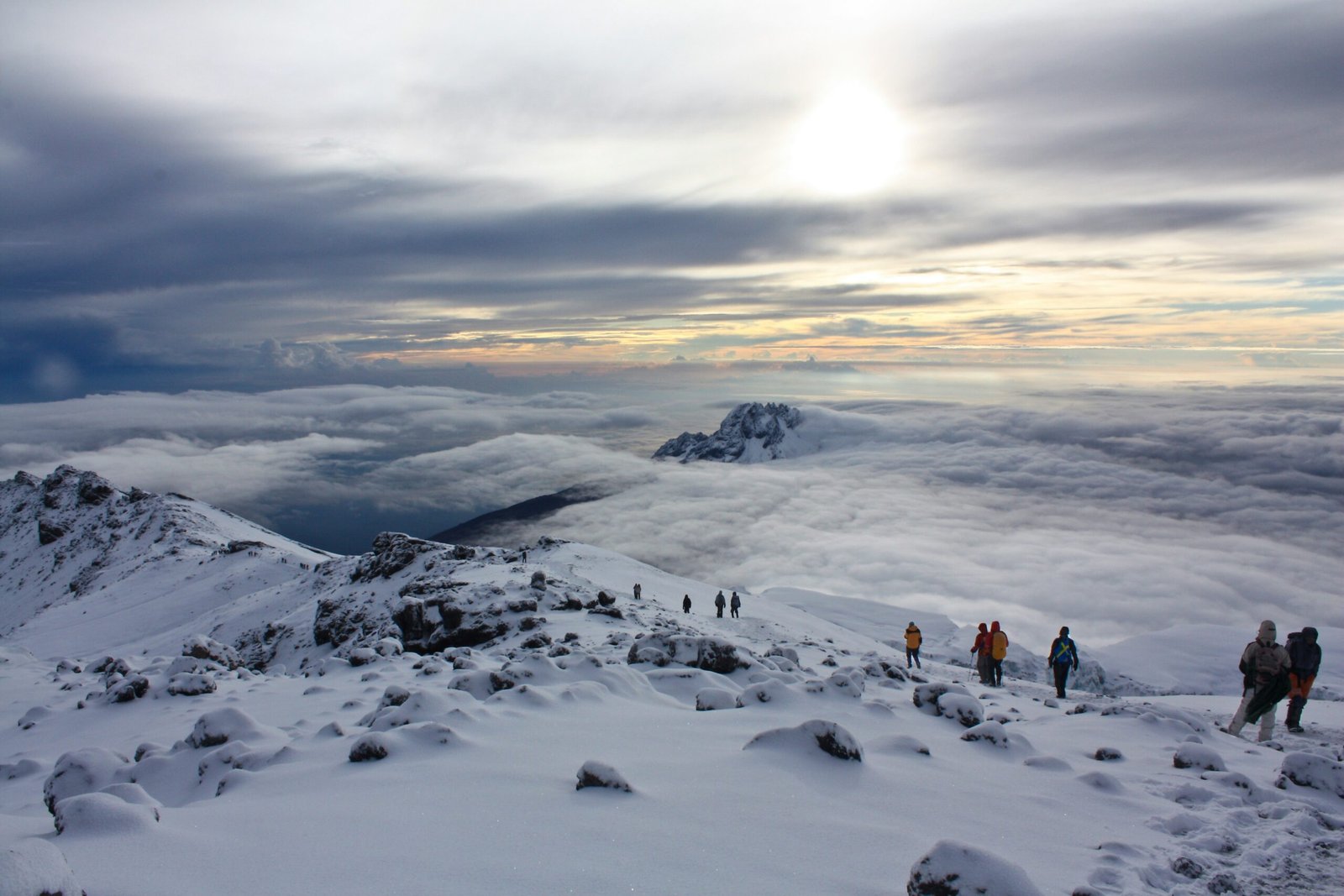
Located on the western side of Mount Kilimanjaro in the Kilimanjaro National Park, the route stretches from lush rainforests at the base to barren alpine deserts near the summit. This western approach gives climbers panoramic views of volcanic landscapes and icy conditions at Uhuru Peak.
Unlike the more direct Marangu or Machame routes, the Lemosho Route is longer, allowing for improved acclimatization through multiple gain and recovery zones. Its remote sections remain less trodden, preserving a sense of wilderness while offering a gradual ascent that is both physically challenging and visually rewarding.
This route best suits moderately experienced trekkers who are in good physical condition and prepared for high altitude. It is ideal for those who prefer multiple acclimatization days, a slower pace, and a quieter, more personal experience with several camping spots and resting areas.
Lemosho Route Itinerary
The itinerary of the Lemosho Route is carefully structured to maximize acclimatization while managing energy and hydration. The day-by-day breakdown outlines a journey through diverse environments—from lush lower slopes to stark alpine landscapes—preparing climbers for the final push to mount kilimanjaro Peak.
Upon landing at Kilimanjaro Airport (JRO), our friendly driver will be waiting for you just outside customs control, holding a Nyange Adventure sign with your name on it. They’ll assist you with your luggage and whisk you comfortably to Kibo View Farm as Pre-arranged accommodation in Moshi.
In the morning, your guide and mountain support crew will meet you at the hotel for a short briefing before setting off. You’ll then travel by vehicle for approximately 3–4 hours to Kilimanjaro National Park’s western entrance: Londorossi Gate (2,250 m / 7,381 ft). Here, you’ll complete the necessary formalities, including obtaining climbing permits and registering with the park’s search and rescue service.
On this day, you’ll wake up early to a hearty breakfast before beginning your trek. The group will ascend to an altitude of 3,610 meters (11,843 feet), where you’ll be rewarded with your first panoramic views of the Shira Plateau and the towering Kibo Volcano in the distance.
Today, you’ll depart from Shira 1 Camp (3,610 m / 11,843 ft) and continue your journey to Shira 2 Camp (3,850 m / 12,631 ft). The trek is relatively easy and offers spectacular scenery, including sweeping views of the African savannah, Kilimanjaro’s unique high-altitude flora, and the surrounding landscape. Weather permitting, Shira 2 is also the best vantage point on the route to see Mount Meru—Africa’s fifth-highest peak and Tanzania’s second tallest.
After breakfast, you’ll depart Shira 2 Camp (3,850 m / 12,631 ft) and begin the trek toward one of the key acclimatization points on the route: Lava Tower (4,600 m / 15,091 ft). This stretch involves a series of ascents and descents through changing terrain. While some sections may be physically demanding and you might begin to feel the effects of the altitude, this part of the journey is essential for proper acclimatization. You’ll spend at least 1–2 hours at Lava Tower to help your body adjust, and lunch will be served here.
You’ll start the day early with a hearty breakfast before setting out to climb the Barranco Wall. It’s best to leave camp as soon as possible to stay ahead of other groups and avoid potential delays. Despite its imposing appearance, the ascent up the wall is not technically difficult and usually takes about an hour. Once at the top, you’ll be rewarded with a fantastic rest spot and photo opportunity with the Kibo volcano in the background.
After a warm and filling breakfast, you’ll set out on the trek to Barafu Camp—the final base before your summit attempt. The trail to Barafu is steadily uphill, and you’ll feel the thinning air as you climb higher, but the pace remains slow and steady to help with acclimatization.
Your summit attempt begins just after midnight as you depart from Barafu Camp (4,673 m / 15,331 ft) and make your way toward the highest point in Africa—Uhuru Peak (5,895 m / 19,340 ft). While the trail itself is not technically difficult, the high altitude makes every step feel more demanding. To ensure your safety and well-being, each pair of climbers will be accompanied by a dedicated guide who will closely monitor your physical and mental condition throughout the ascent.
The Millenium Camp is situated in a tropical rainforest. When you wake up, you will feel relief from the reduction of altitude and the satisfaction of reaching the summit. After a warm breakfast, you will head for the park’s exit: Mweka Gate (1,640 m / 5,380 ft). After your descent the whole group will gather to congratulate you, followed by offering you a chance to share your opinions on the climb in the guestbook. Lastly, we will present you with your commemorative certificates in our office and provide you with a transfer back to the hotel.
Our driver will be available at any time to take you to Kilimanjaro Airport for your flight home (or to Zanzibar?). Breakfast is included in your Kilimanjaro Trek Package. Hotel Checkout is at 10am but if you have a later flight we might be able to negotiate a late checkout or book a dayroom for you (additional charge for a dayroom).
- Day 01 : Arrival in Moshi
Upon landing at Kilimanjaro Airport (JRO), our friendly driver will be waiting for you just outside customs control, holding a Nyange Adventure sign with your name on it. They’ll assist you with your luggage and whisk you comfortably to Kibo View Farm as Pre-arranged accommodation in Moshi.
At the Kibo View Farm Lodge, your expert guide will conduct a pre-climb briefing to answer any questions you have and provide important details about the trek. This includes an equipment check to ensure you have everything for a safe and comfortable climb. Don’t worry if you’re missing something! Good quality gear can be rented locally at reasonable prices. If you arrive at night, the briefing and equipment check might be scheduled for the following morning. With everything prepared, you can relax in Moshi, ready to embark on your exciting Kilimanjaro challenge!
- Accomodation
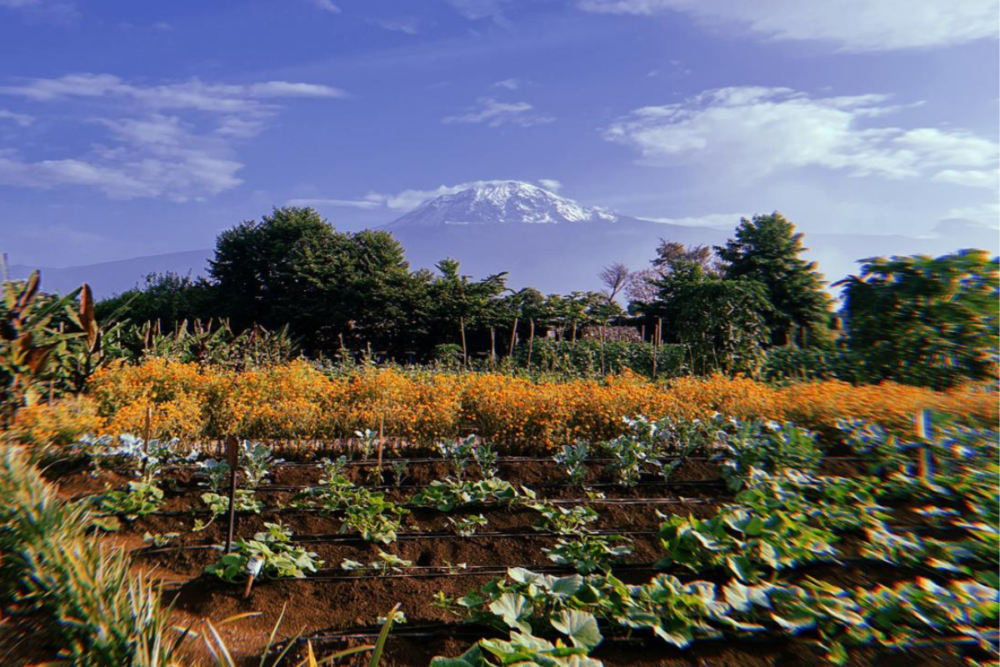
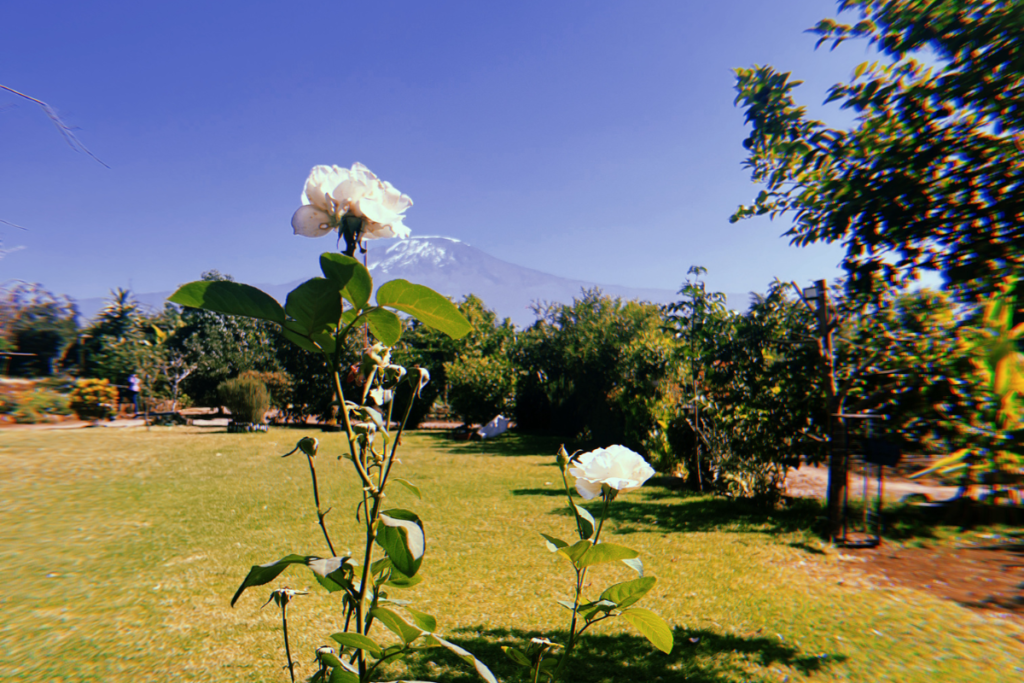
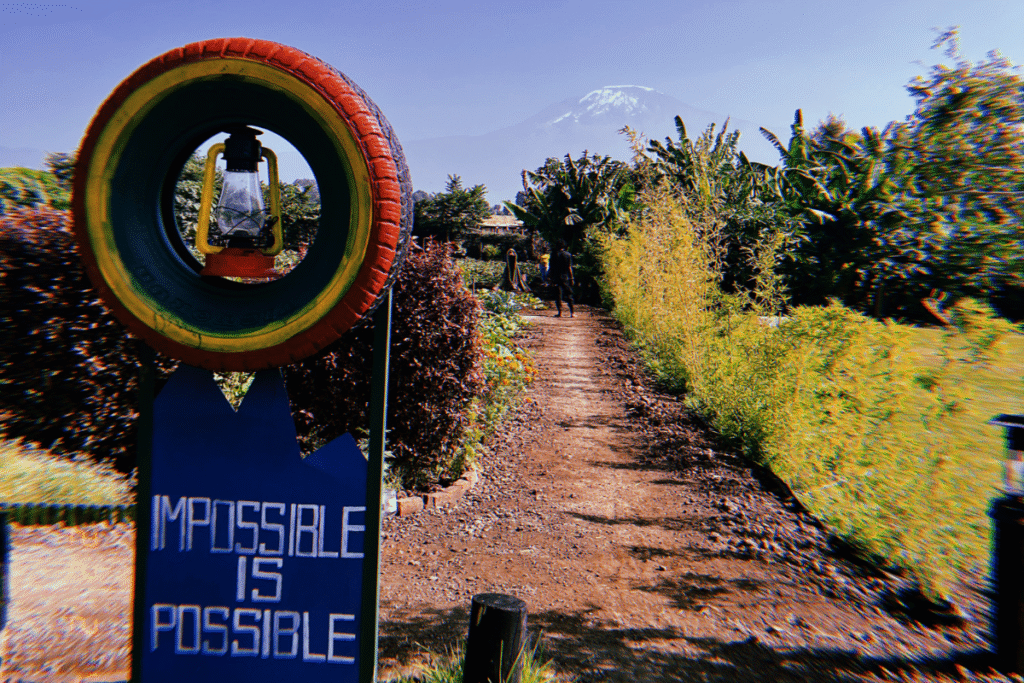
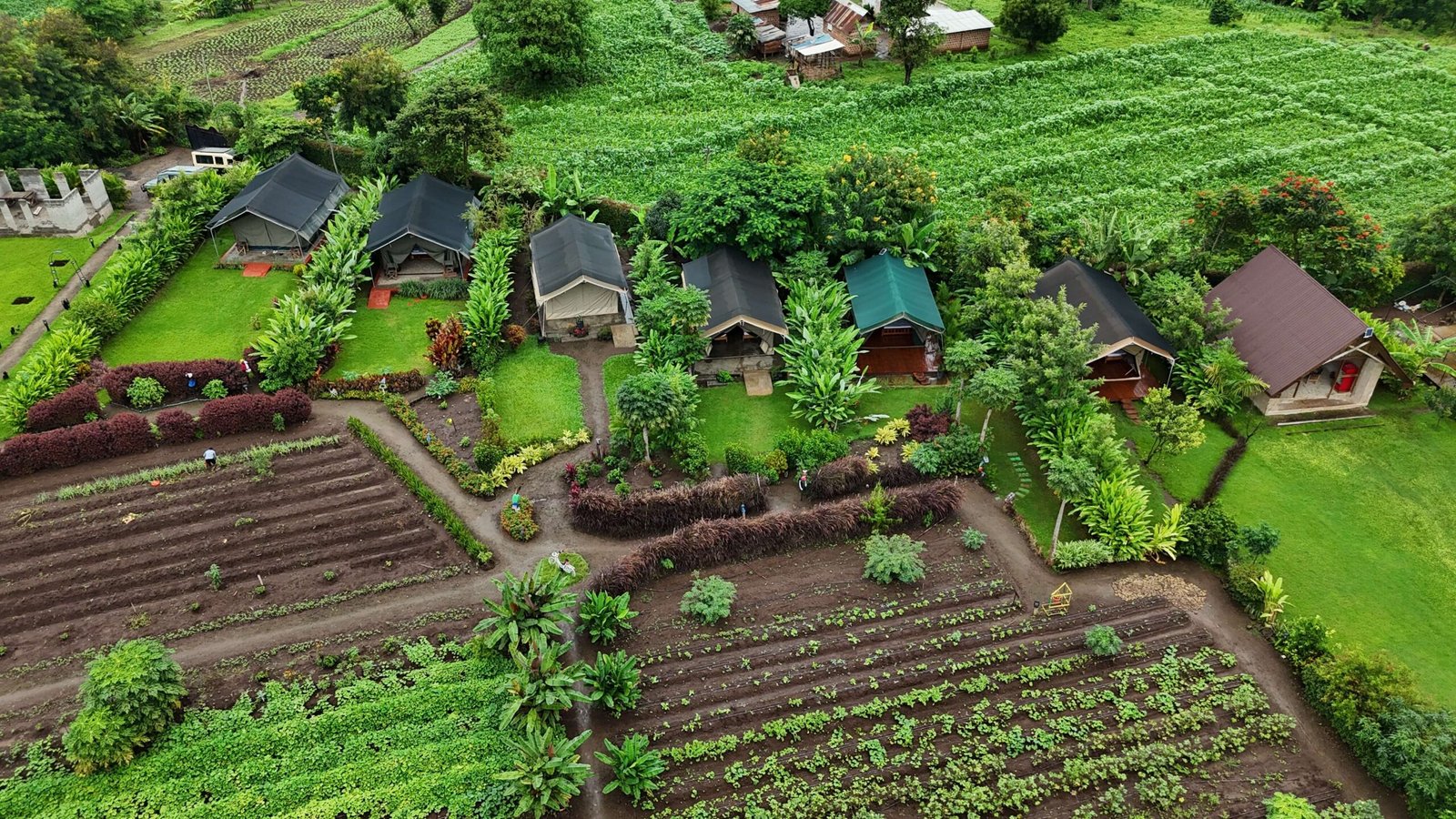
Nestled in the heart of the Tanzanian countryside, just outside Moshi, Kibo View Farm Lodge is more than just a place to stay—it’s an experience waiting to be discovered. Wake up to breathtaking views of Mount Kilimanjaro, breathe in the fresh farm air, and enjoy delicious meals made with homegrown ingredients straight from our land.
- Day 02 : Hiking From Londorossi Gate to Mti Mkubwa Camp
In the morning, your guide and mountain support crew will meet you at the hotel for a short briefing before setting off. You’ll then travel by vehicle for approximately 3–4 hours to Kilimanjaro National Park’s western entrance: Londorossi Gate (2,250 m / 7,381 ft). Here, you’ll complete the necessary formalities, including obtaining climbing permits and registering with the park’s search and rescue service.
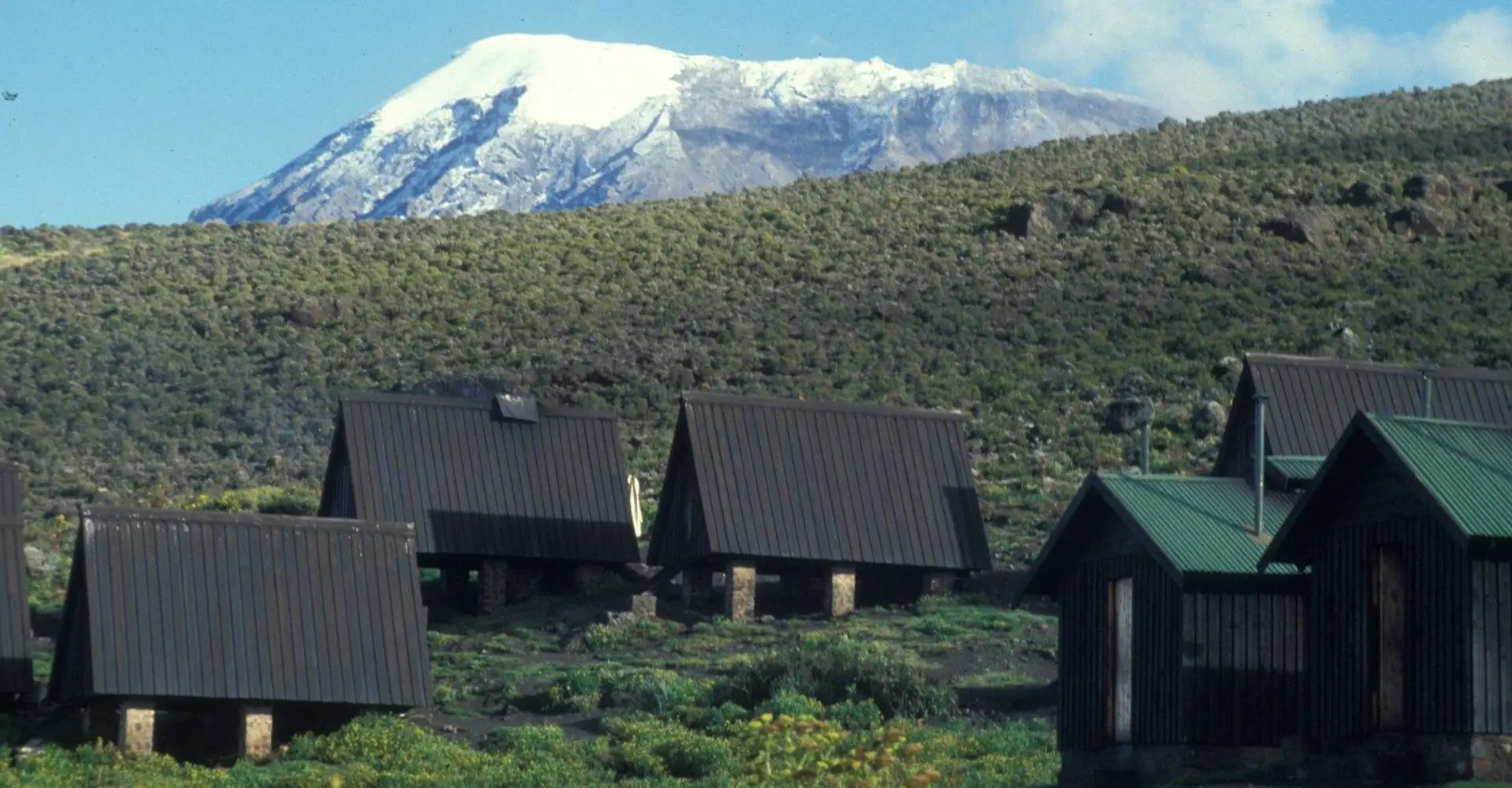
From the gate, the trek begins through lush rainforest terrain, heading toward Mti Mkubwa Camp (2,650 m / 8,694 ft). Rain gear is especially important on this day, as the rainforest is often wet and humid.
By the time you arrive at camp, the mountain crew will have set up your tents and started preparing lunch. After a short rest, the group will set out on an acclimatization hike toward Shira 1 Camp, gaining approximately 300 meters (984 feet) in elevation before returning to Mti Mkubwa Camp. A hot dinner will be ready upon your return, and you’ll spend the night at the camp.
- Day 03 : Hiking From Mti Mkubwa Camp to Shira 1 Camp
On this day, you’ll wake up early to a hearty breakfast before beginning your trek. The group will ascend to an altitude of 3,610 meters (11,843 feet), where you’ll be rewarded with your first panoramic views of the Shira Plateau and the towering Kibo Volcano in the distance.
The hike from Mti Mkubwa Camp to Shira 1 Camp is relatively gentle and takes approximately 5 to 6 hours. This gradual ascent plays a key role in helping your body acclimate to the increasing altitude—an essential part of a safe and successful climb.
Upon arrival at Shira 1 Camp (3,610 m / 11,843 ft), your crew will prepare lunch while you take time to relax in your tent or explore the surrounding landscape at your own pace.
- Day 04 : Hiking From Shira 1 Camp to Shira 2 Camp
Today, you’ll depart from Shira 1 Camp (3,610 m / 11,843 ft) and continue your journey to Shira 2 Camp (3,850 m / 12,631 ft). The trek is relatively easy and offers spectacular scenery, including sweeping views of the African savannah, Kilimanjaro’s unique high-altitude flora, and the surrounding landscape. Weather permitting, Shira 2 is also the best vantage point on the route to see Mount Meru—Africa’s fifth-highest peak and Tanzania’s second tallest.
Along the way, your guides may offer the opportunity to ascend Cathedral Peak (3,872 m / 12,703 ft), one of the highest points on the extinct Shira Volcano. This optional hike is non-technical and suitable for most trekkers. On clear days, the summit provides breathtaking views over the valley below—a scene many consider one of the most magical on the mountain. Even if the peak is partially obscured by clouds, a stela at the summit marks the spot and makes for a great photo opportunity.
While the hike to Cathedral Peak is optional, it’s highly recommended. For those who prefer to skip it or if the weather doesn’t cooperate, heading directly to Shira 2 Camp is always an option. Because both destinations sit at similar elevations, skipping the peak won’t affect your acclimatization.
Upon arrival at Shira 2, lunch will be served, followed by a two-hour rest. In the afternoon, you’ll set off on an acclimatization hike toward Lava Tower Camp, gaining approximately 300 meters (984 feet) in elevation before returning to Shira 2 for the night.
- Day 05 : Hiking From Shira 2 Camp to The Lava Tower and Descent to Barranco Camp
After breakfast, you’ll depart Shira 2 Camp (3,850 m / 12,631 ft) and begin the trek toward one of the key acclimatization points on the route: Lava Tower (4,600 m / 15,091 ft). This stretch involves a series of ascents and descents through changing terrain. While some sections may be physically demanding and you might begin to feel the effects of the altitude, this part of the journey is essential for proper acclimatization. You’ll spend at least 1–2 hours at Lava Tower to help your body adjust, and lunch will be served here.
Following your rest at Lava Tower, you’ll descend to Barranco Camp (3,900 m / 12,795 ft). As you approach the camp, you’ll be greeted by the dramatic sight of the Barranco Wall—an imposing, steep rock face that rises directly above the campsite. Although it looks intimidating from below, the trail up the wall is straightforward and requires no technical climbing skills. You’ll tackle it the next morning, but for now, you’ll enjoy a hot meal and a well-earned rest at camp.
- Day 06 : Hiking From Barranco Camp to Karanga Camp
You’ll start the day early with a hearty breakfast before setting out to climb the Barranco Wall. It’s best to leave camp as soon as possible to stay ahead of other groups and avoid potential delays. Despite its imposing appearance, the ascent up the wall is not technically difficult and usually takes about an hour. Once at the top, you’ll be rewarded with a fantastic rest spot and photo opportunity with the Kibo volcano in the background.
After a short break, the trek continues toward Karanga Camp. This section of the route includes several ascents and descents, making it more challenging, but your experienced guides will maintain a steady, manageable pace to keep the group comfortable and energized.
Upon arrival at Karanga Camp, you’ll be served a warm lunch and given time to rest. Later in the afternoon, you’ll head out on an acclimatization hike toward Barafu Camp, gaining around 200 meters (656 feet) in elevation before returning to Karanga for the night. This short hike is a crucial step in preparing your body for the summit push ahead.
- Day 07 : Hiking From Karanga Camp to Barafu Camp
After a warm and filling breakfast, you’ll set out on the trek to Barafu Camp—the final base before your summit attempt. The trail to Barafu is steadily uphill, and you’ll feel the thinning air as you climb higher, but the pace remains slow and steady to help with acclimatization.
When you arrive at Barafu Camp (4,673 m / 15,331 ft), your tents and sleeping bags will already be set up by the support team, so you can simply rest and recover. This is the launch point for your summit bid to Uhuru Peak (5,895 m / 19,340 ft), the highest point in Africa.
The remainder of the day is dedicated to rest. It’s important to conserve energy and try to sleep early, as you’ll be starting your summit hike around midnight.
- Day 08 : Ascent to Uhuru Peak and Descent to Millennium Camp
Your summit attempt begins just after midnight as you depart from Barafu Camp (4,673 m / 15,331 ft) and make your way toward the highest point in Africa—Uhuru Peak (5,895 m / 19,340 ft). While the trail itself is not technically difficult, the high altitude makes every step feel more demanding. To ensure your safety and well-being, each pair of climbers will be accompanied by a dedicated guide who will closely monitor your physical and mental condition throughout the ascent.
Reaching Uhuru Peak is the ultimate goal of your Kilimanjaro journey, and standing at the top is an unforgettable achievement. If conditions allow and you have the energy, you may also choose to descend briefly to a nearby glacier for a closer look.
After taking in the views and capturing your summit moments, you’ll begin the descent back to Barafu Camp, where you’ll have about two hours to rest and recover. From there, the journey continues downhill to Millenium Camp (3,950 m / 12,959 ft), where you’ll enjoy a well-earned dinner and a full night’s sleep at a lower, more comfortable altitude.
- Day 09 : Descent From Millennium Camp to Mweka Gate
The Millenium Camp is situated in a tropical rainforest. When you wake up, you will feel relief from the reduction of altitude and the satisfaction of reaching the summit. After a warm breakfast, you will head for the park’s exit: Mweka Gate (1,640 m / 5,380 ft). After your descent the whole group will gather to congratulate you, followed by offering you a chance to share your opinions on the climb in the guestbook. Lastly, we will present you with your commemorative certificates in our office and provide you with a transfer back to the hotel.
- Day 10 : Departure Day
Our driver will be available at any time to take you to Kilimanjaro Airport for your flight home (or to Zanzibar?). Breakfast is included in your Kilimanjaro Trek Package. Hotel Checkout is at 10am but if you have a later flight we might be able to negotiate a late checkout or book a dayroom for you (additional charge for a dayroom).
How Difficult Is the Lemosho Route: Fitness and Altitude Challenges?
The Lemosho Route is moderately to highly challenging due to high altitudes and continuous trekking. Climbers need strong cardiovascular fitness and mental resilience to manage long days of uphill walking, variable weather, and significant oxygen level changes.
A sound aerobic base is essential. Climbers should engage in regular cardiovascular workouts, strength training, and endurance hikes—ideally with a weighted backpack—for 3–6 months prior. This preparation is key to handling long treks and steep ascents.
The terrain varies from humid rainforest paths to arid alpine deserts and rocky scree slopes. Climbers must navigate steep inclines, loose volcanic rock near the Lava Tower, and occasional river crossings, all of which require proper equipment and careful technique.
Adhering to the “climb high, sleep low” principle is vital. Staying well-hydrated, consuming high-energy foods, and taking planned rest days help prevent altitude sickness. In cases of symptoms, descending to a lower elevation is recommended, and some expeditions may include preventive medication under professional guidance.
What Kilimanjaro Climbing Gear Is Essential for the Lemosho Route?
Proper gear is crucial for protection and comfort. Equipment should be durable and designed for extreme conditions, ensuring climbers are well-prepared for cold weather and long treks.
What Are the Must-Have Clothing and Footwear Items?
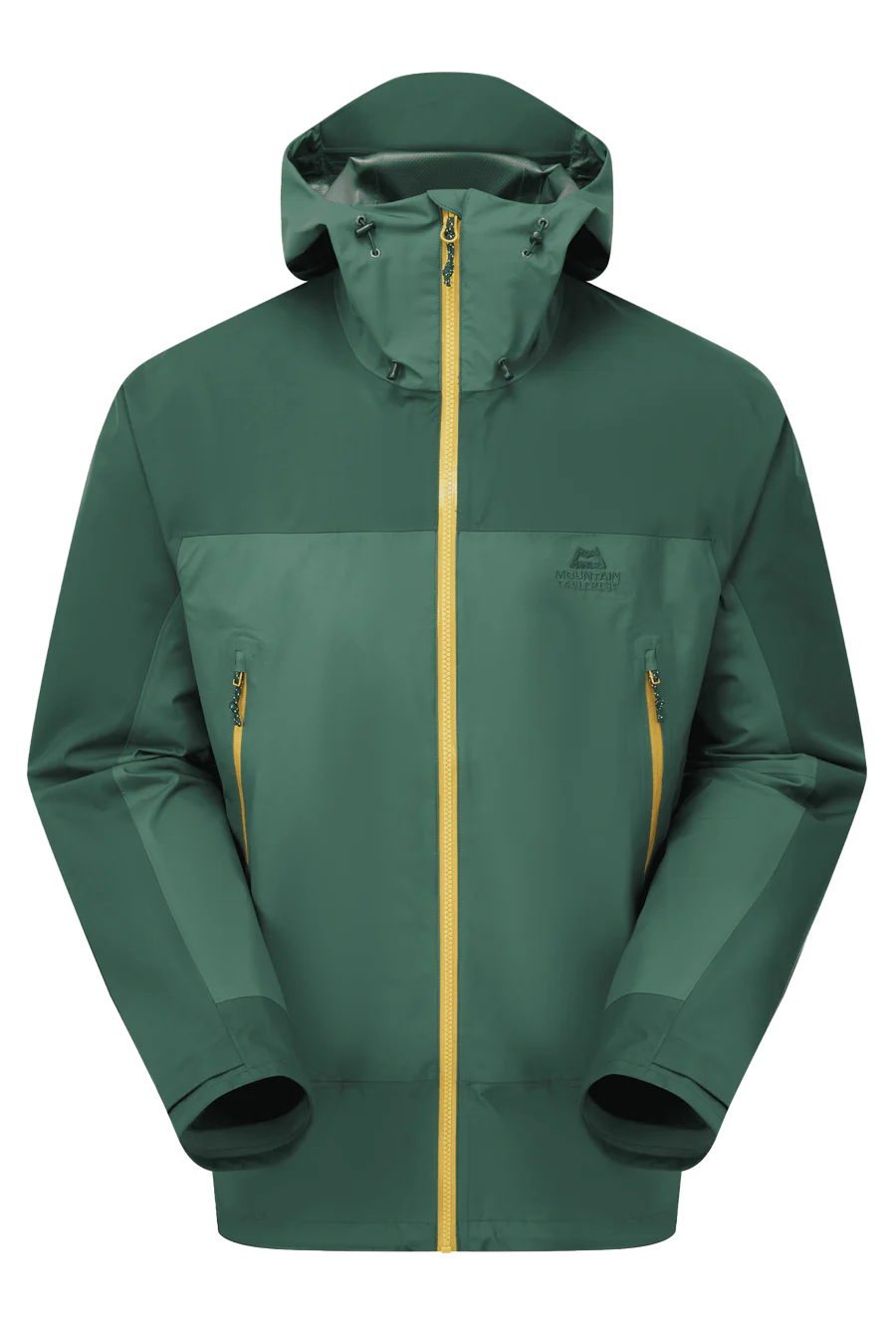
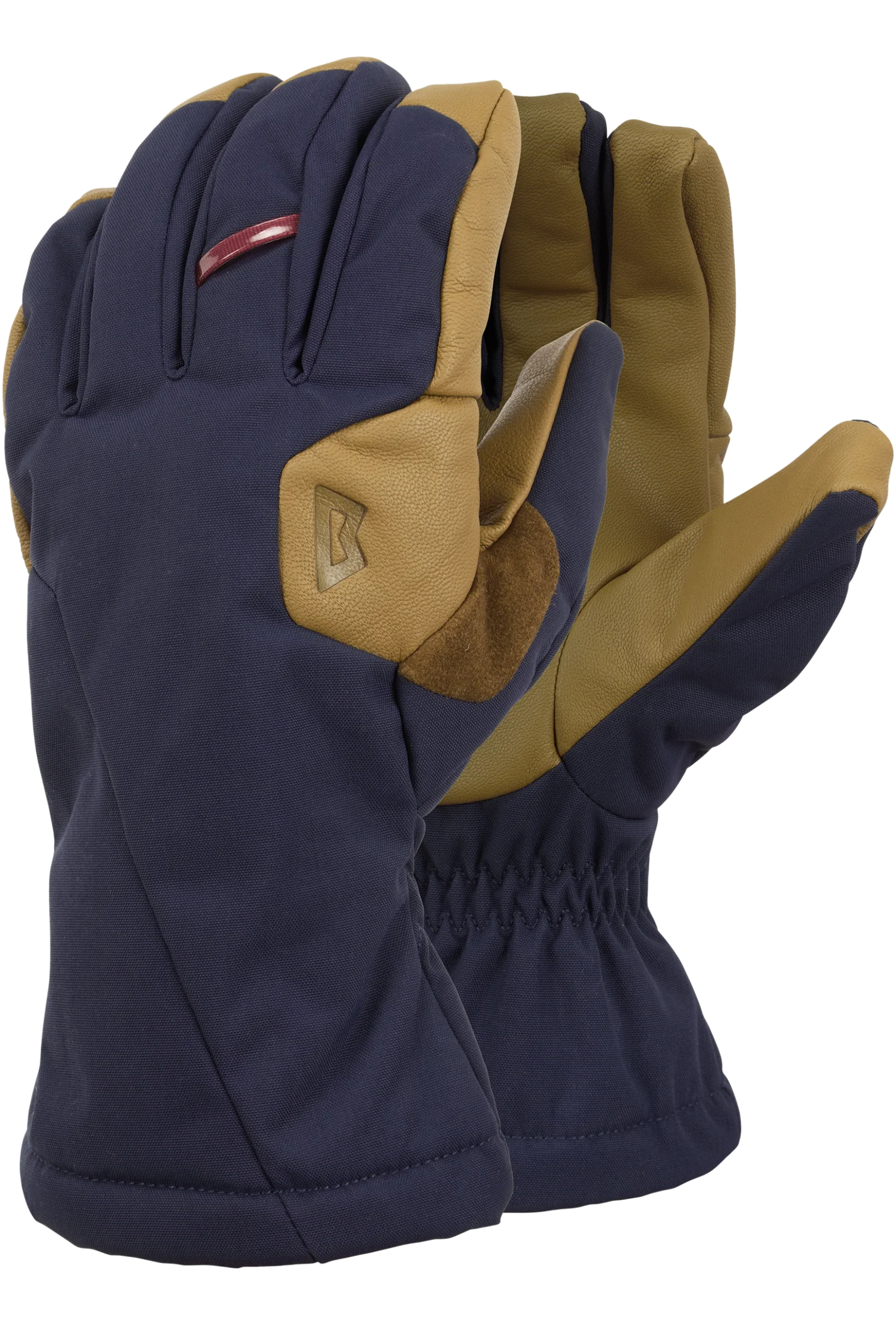
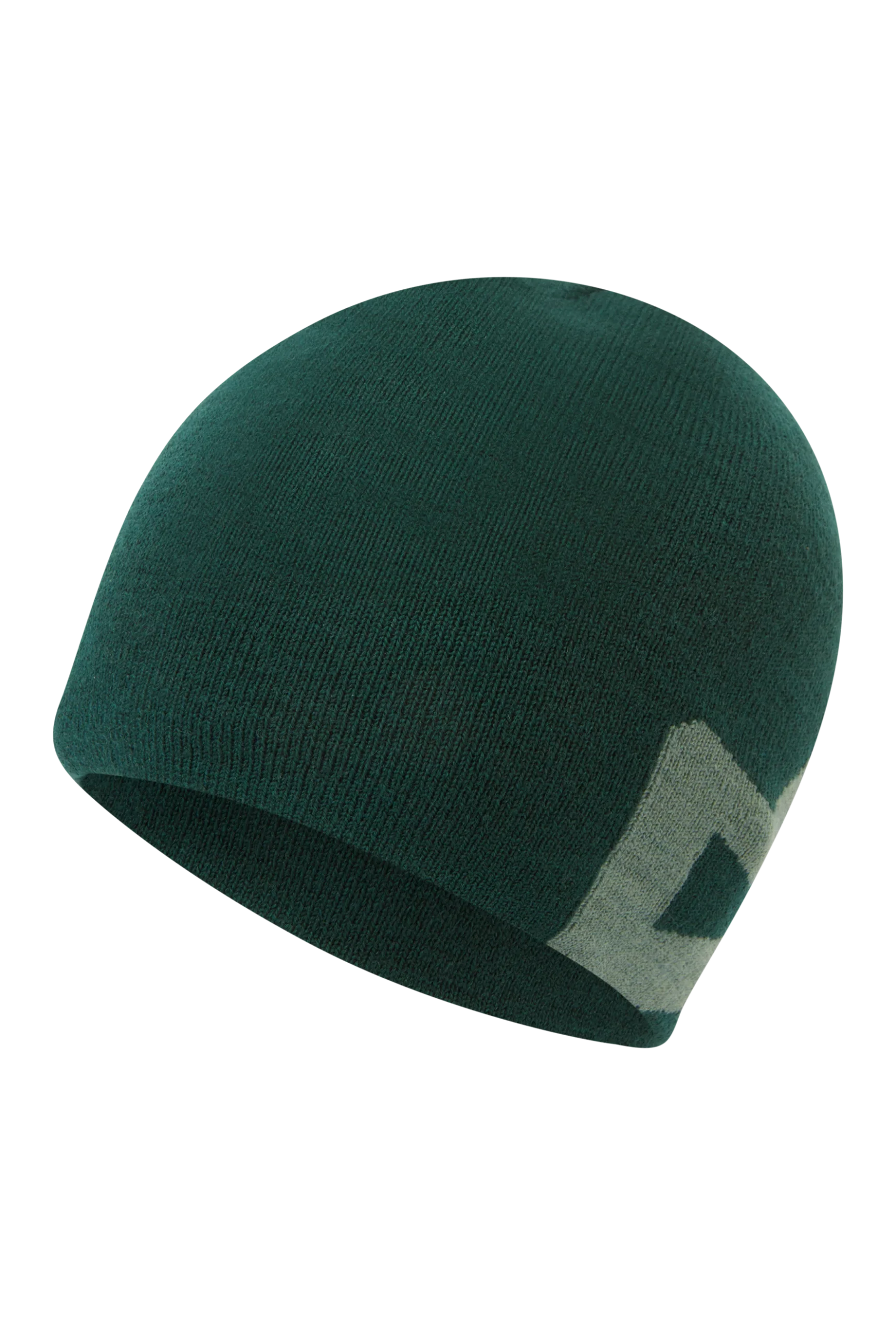
Essential items include moisture-wicking base layers, insulated mid-layers, and waterproof outer shells. Sturdy trekking boots with good ankle support, along with thermal socks, gloves, and hats, are necessary to protect against cold and changing weather conditions.
Which Camping and Sleeping Equipment Is Recommended?
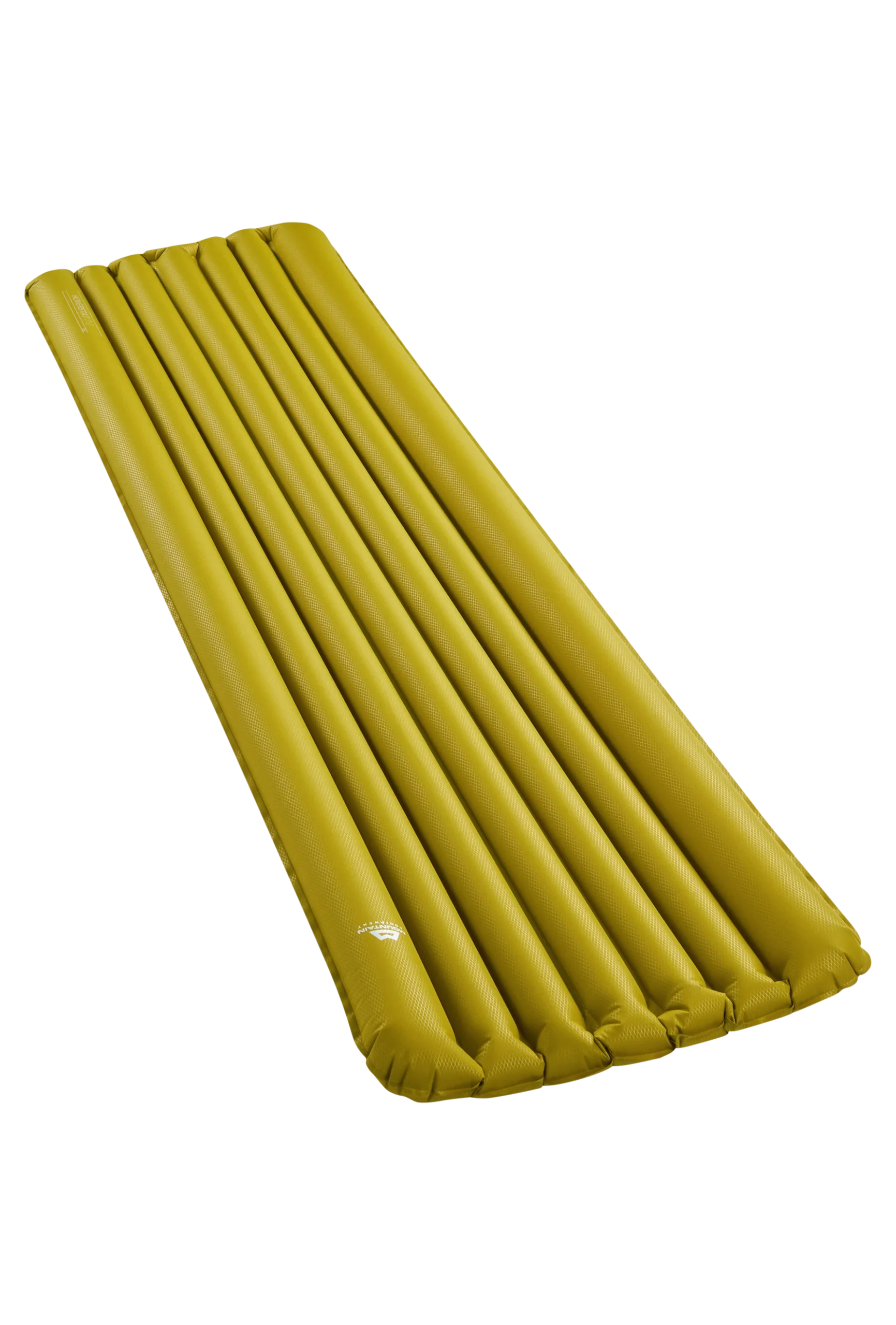
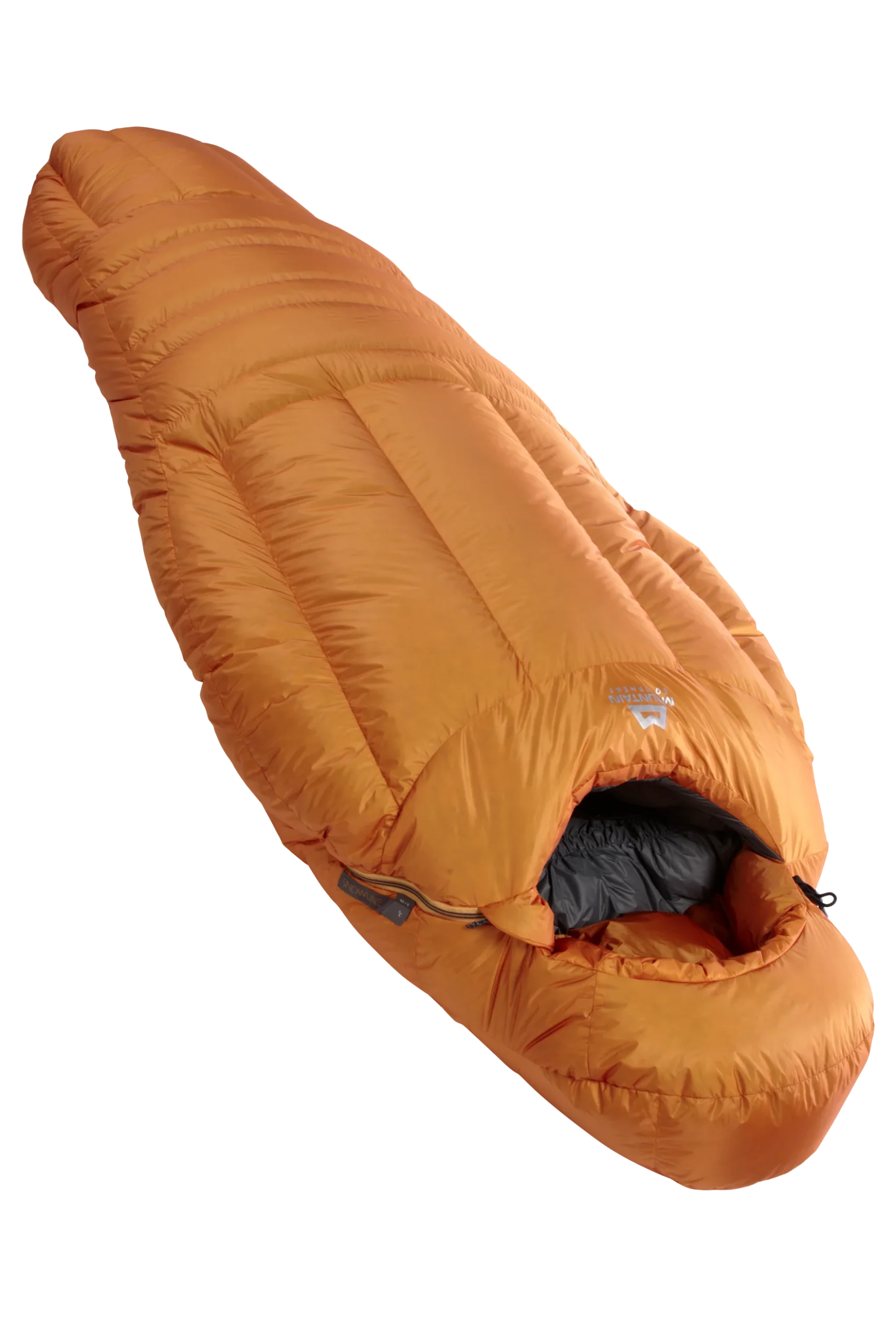
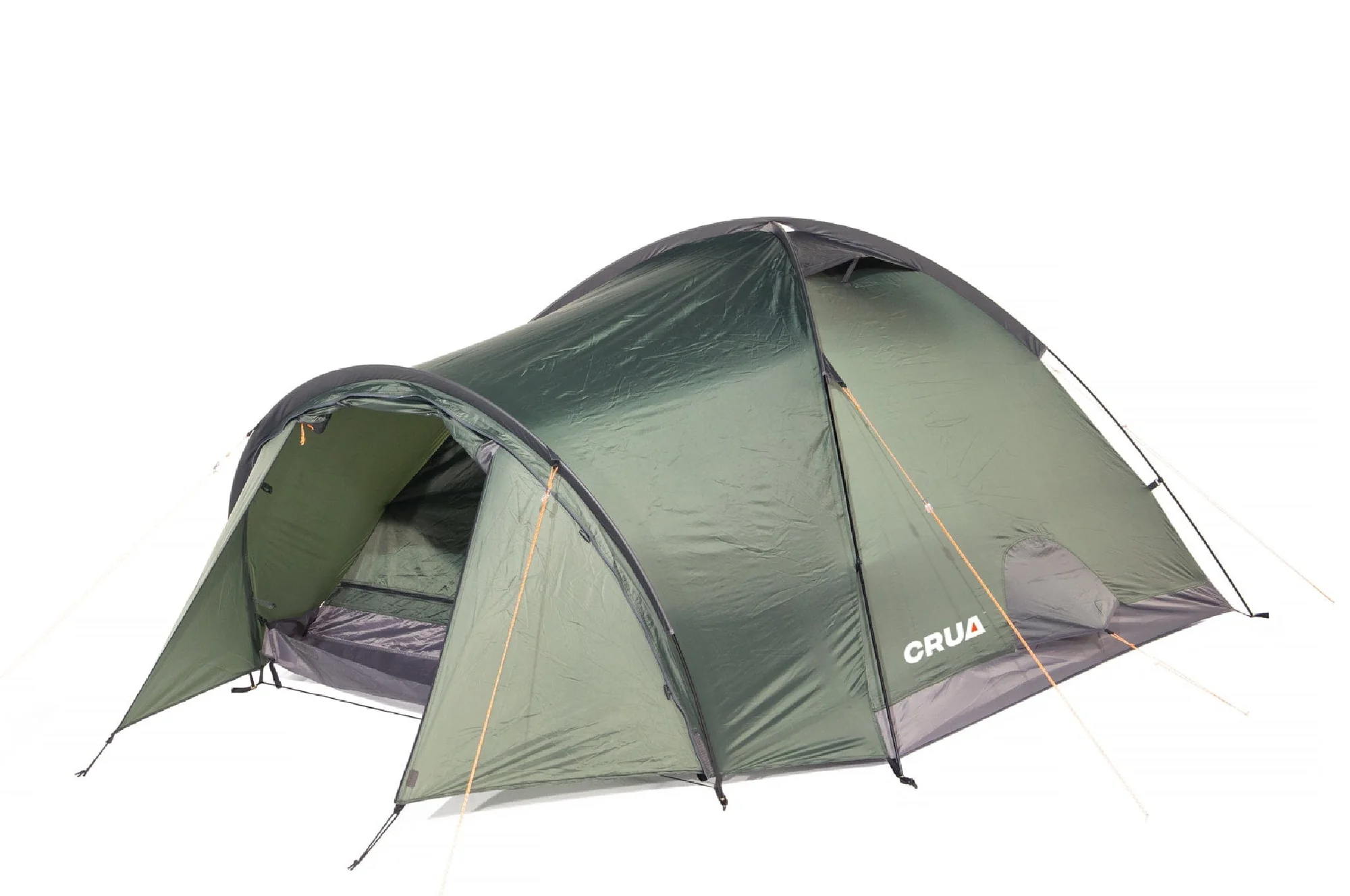
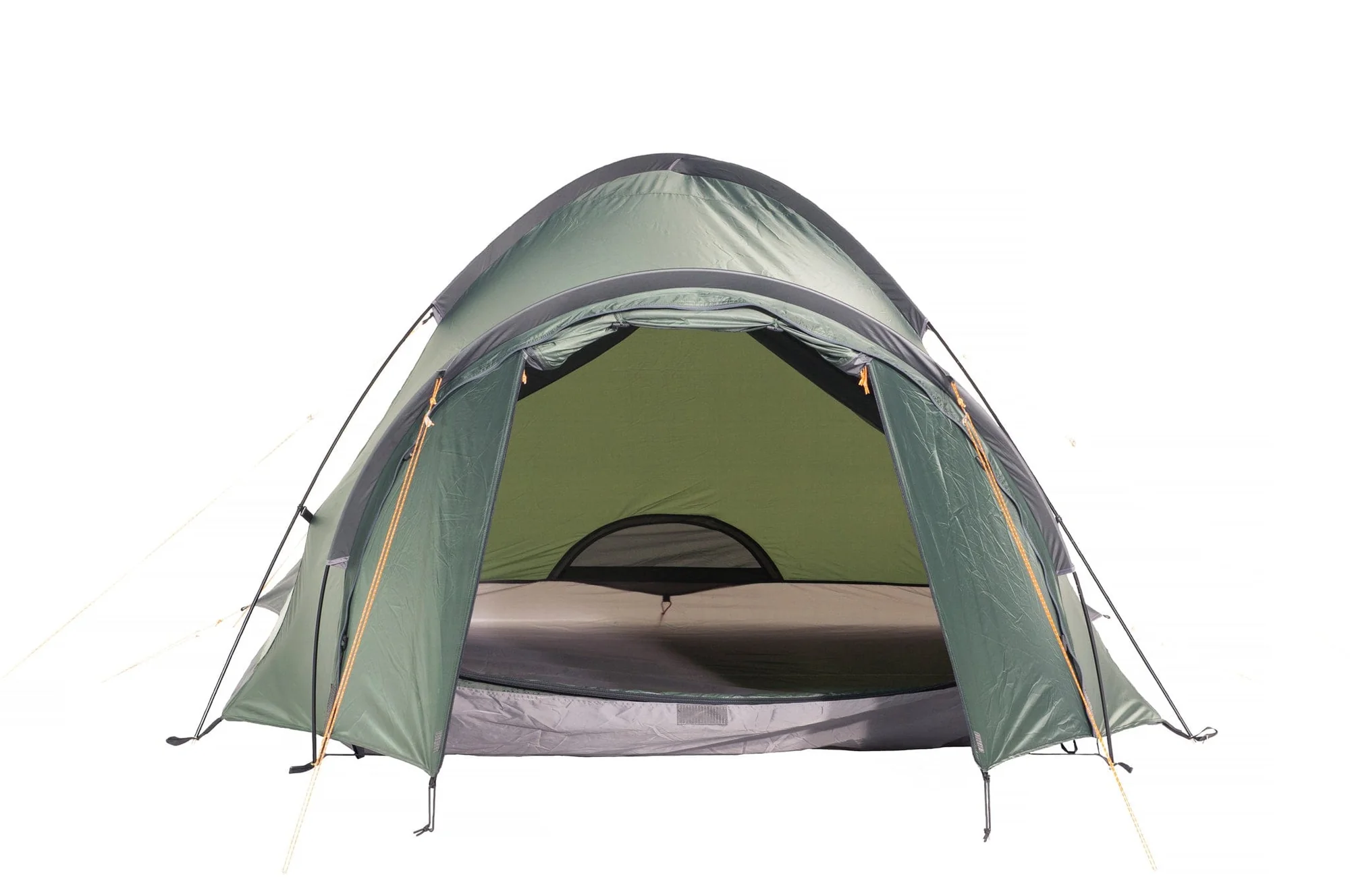
A robust four-season tent, sleeping bags rated for sub-zero temperatures, and insulated sleeping pads are critical for staying warm at high elevations. Portable stoves and water purification systems are also recommended to support energy and safety.
What Additional Gear Should Climbers Pack for Safety and Comfort?
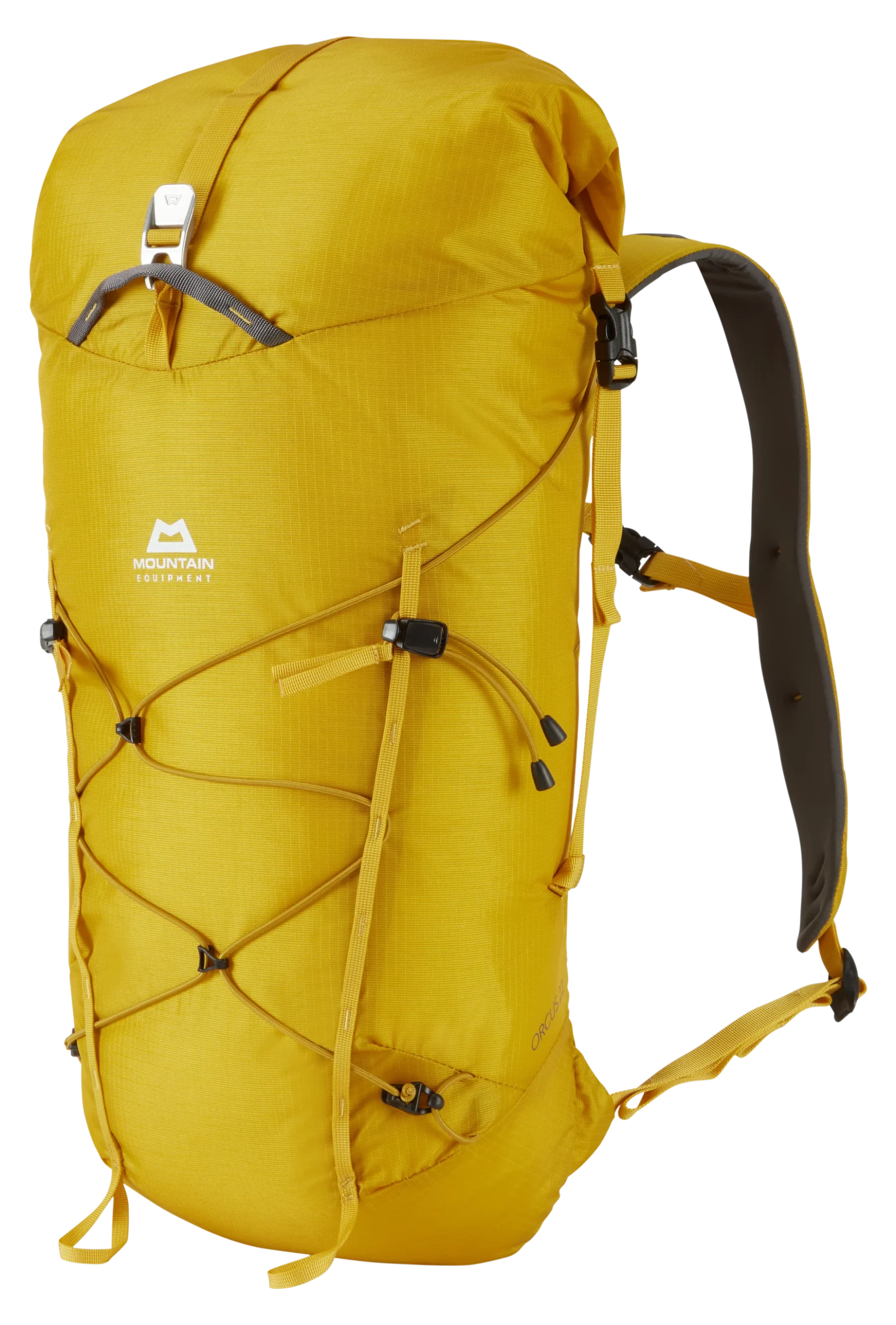
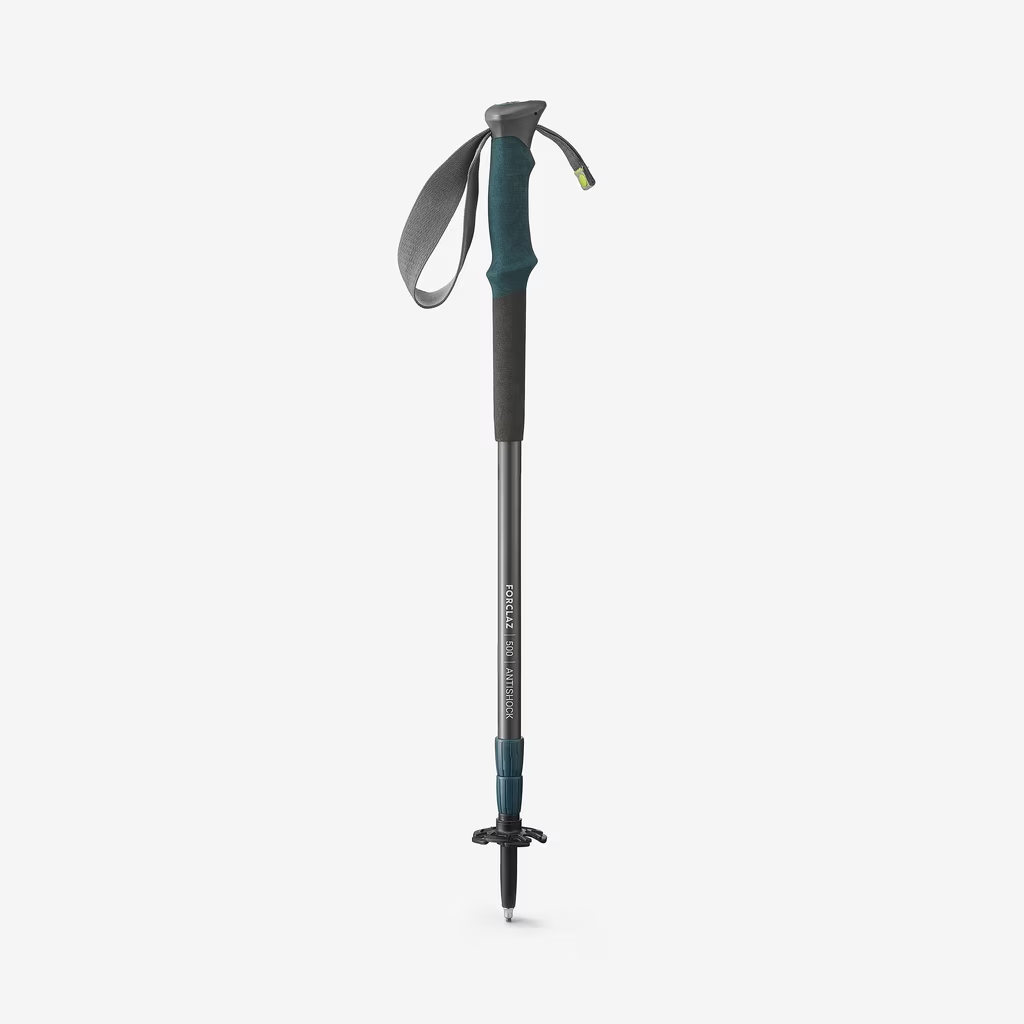
Additional items include a first aid kit, headlamps with extra batteries, trekking poles, a durable backpack, sunglasses with UV protection, high SPF sunscreen, and lip balm. Navigational aids like maps and GPS devices, as well as a whistle, are important for hiking emergencies.
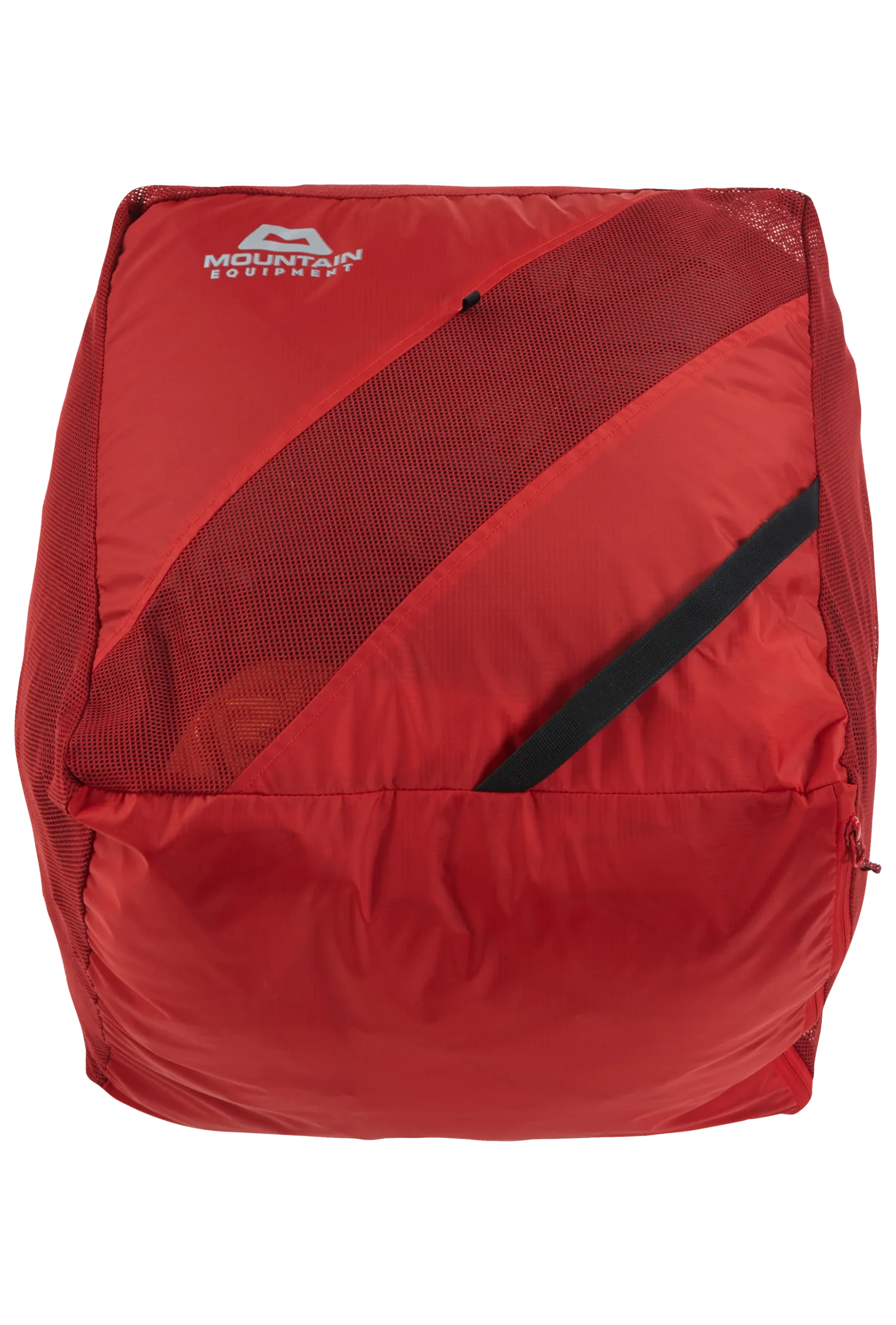
How Should Climbers Pack Efficiently for the Lemosho Route?
Efficient packing means organizing gear by use frequency and distributing weight evenly. Waterproof bags and accessible compartments in a quality backpack help ensure that essential items are readily available during the climb.

When Is the Best Time to Climb Kilimanjaro via the Lemosho Route?
Optimal climbing conditions occur during the dry seasons from January to March and June to October, when weather is more stable and rain is minimal. These periods offer clearer skies and more predictable temperatures, greatly enhancing the trekking experience.
Dry months are preferred because they provide solid footing and reduce the risk of slippery trails. The predictable weather during these times aids in efficient planning and safer ascents.
Weather on Kilimanjaro can change quickly; clear skies can turn stormy in hours. Climbers must be prepared for sudden shifts such as cold fronts or light showers, which can affect visibility and footing.
Climbing in off-peak seasons can mean fewer crowds and a more intimate experience. Although Lemosho remains less congested than traditional routes, avoiding peak times further enhances safety and personal connection with nature.
What Do Climbers Say? Lemosho Route Reviews and Success Stories
Climbers consistently praise the Lemosho Route for its breathtaking scenery, effective acclimatization, and overall adventurous experience. Reviews highlight its remote wilderness feel and the well-planned ascent that helps minimize altitude sickness on mount kilimanjaro .
Many climbers mention the dramatic transition from lush rainforests to stark alpine deserts and emphasize the importance of stops at Shira Plateau and Lava Tower. The route’s quiet environment and camaraderie among trekkers contribute significantly to a memorable journey.
Compared to routes like Marangu or Machame, climbers appreciate the lower incidence of altitude sickness and the gradual ascent provided by Lemosho. Its diverse landscapes and quieter trails offer a more immersive experience, leading to higher overall summit success rates.
Seasoned trekkers advise starting physical training well in advance and stress the importance of proper hydration and acclimatization. Packing efficiently, monitoring weather forecasts, and hiring experienced guides are also common recommendations.
How to Prepare and Book Your Lemosho Route Climb on Mount Kilimanjaro?
Proper preparation is essential. From securing permits and paying required fees to undertaking rigorous physical and mental training, every step is critical. Responsible tourism practices ensure minimal environmental impact while enhancing the cultural experience.
A comprehensive training program incorporating cardiovascular, strength, and endurance exercises is highly recommended. Mental preparation through techniques like meditation and visualization helps manage the stresses of high-altitude climbing.
Climbers should adopt a "leave no trace" attitude by managing waste responsibly and respecting local cultures. This sustainable approach helps preserve Kilimanjaro’s ecosystem for future generations.
Booking through reputable local operators like Nyange Adventures ensures that all logistics—permits, guides, camping, and meals—are managed professionally. It is advisable to book several months in advance, particularly during peak climbing seasons.
Frequently Asked Questions
The route’s gradual elevation gain and multiple acclimatization days contribute to a high summit success rate, often exceeding 95% with proper preparation.
Yes, with proper physical training, acclimatization, and guidance from experienced operators, beginners can safely undertake the climb.
Climbers can encounter a range of weather—from humid rainforests to cold alpine conditions—so layered, waterproof clothing is essential.
Guides monitor climbers, enforce acclimatization protocols, advise on hydration and nutrition, and can arrange descent or medical help if needed.
Tipping is customary and seen as an appreciation for service, typically calculated as a modest percentage of the total package price for mount kilimanjaro.
Climbing Mount Kilimanjaro via the Lemosho Route is an adventure that blends natural beauty with physical and mental challenges. With its carefully planned itinerary, essential acclimatization stops, and breathtaking campsites, climbers are well-prepared for a successful summit attempt. Through comprehensive preparation, proper gear, and responsible tourism, the journey becomes both safe and transformative. Whether you are a seasoned adventurer or a determined beginner, the Lemosho Route offers a unique opportunity to conquer a towering peak and forge unforgettable memories.
Real Reviews from Real Trekkers
EXCELLENTVerified Safari of a Lifetime in Tanzania, We did a safari with Nyange Adventures covering Serengeti, Ngorongoro, and Lake Manyara. It was an absolute dream. Our guide (Joseph) was a true expert, spotting animals we would have never seen on our own. The lodges were fantastic, and the organization was flawless. We saw the Great Migration, lions, elephants, and so much more. Thank you, Nyange!Verified Safari of a Lifetime in Tanzania 100% recommended. Nyange Adventures made my Kilimanjaro climb an unforgettable experience. From the pre-climb briefing to the summit push, their guides were professional, knowledgeable, and incredibly supportive. The equipment was top-notch, and the food was surprisingly good on the mountain. Highly recommend them for anyone dreaming of conquering Kili. Climbing Kilimanjaro is tough, but Nyange Adventures' support team made it so much more manageable. The porters were amazing, and the cook prepared delicious and nourishing meals. Our head guide [Joseph] was experienced and prioritized our safety and well-being. Highly recommend their Kilimanjaro team.Verified Unforgettable Safari Experience. Our safari with Nyange Adventures through Lake Manyara and Serengeti was incredible! We saw so many animals in their natural habitat, and the expertise of the guide made each moment more enriching.Verified An incredible team and an unforgettable climb. The group tour I signed up for ended up being a solo trip due to last minute cancellations. However, this gave me great flexibility with the itinerary and a perfect opportunity to get to know the team. I felt safe, respected and taken care of as a female solo traveller. The whole trip felt seamless. Amnaay, the mountain guide, was instrumental to my successful summit - he was knowledgable and professional. The meals provided every day were freshly prepared and delicious. The team of porters amazed me every day with their physical abilities and joyful spirit. Bonding with the team was a highlight of the trip - not a day went by without someone bursting into a belly laugh! I also stayed at the Kibo View Farm before and after the climb, which was a little slice of heaven. I would highly recommend Nyange Adventures for their local expertise and fair treatment of porters.Verified A personal goal achieved thanks to the guidance and support received from the Nyange Adventures team. At age 73 I successfully completed the ascent of Mount Kilimanjaro, via the Lemosho route, a week ago today. Throughout the eight day trek and the final ascent to Uhuru Peak I was impressed by the guidance and support received at all times from the entire Nyange Adventures team. The guides, Mo and Colin, the cook, the waiter and the fantastic team of porters that accompanied me made my success possible, and I would therefore not hesitate to recommend Nyange Adventures to anyone considering the experience of climbing Mount Kilimanjaro.Verified Excellent and exceptional experience! My experience couldn't be better and I couldn't recommend Nyange more! They are excellent and I'm super satisfied with everything.I booked my climbing to Kilimanjaro with them and everything was perfect from the starting communication to the very last second I was with them.I'm a woman solo traveler and I felt safe every single time.All the staff is very nice, helpful and attentive. They really make the phrase "come as a client, leave as a friend" come true, I'll miss everyone! Special thanks to my guide in Kilimanjaro: Amnaay (if you wanna go with him, I assure you'll have a fun and pleasant time! He knows a lot, is very encouraging and literally held me when I couldn't walk anymore. I don't know if I could reach the summit without him and all the other guys that came with me - the cooker, waiter and porters, everyone special, very professional and has their space in my heart).They arranged everything I needed: my commuting from the city center to the farm (their farm is amaaaaazing, beautiful and the room was super comfortable and clean and with a breathtaking view of Kilimanjaro. All the delicious food they make is local - with ingredients from the farm), even in my last night Amnaay asked them if they could cook Ugali for me, and they did!The owner, Praise, is also very caring and himself always make sure that everything is ok, always having nice conversations, asking if I need something, etc.I could be here writing a review of 50 pages only speaking good things about them. Highly recommend! It was for sure the best experience in my life and thanks for them!Verified Highly Recommend Nyange Adventures - a life changing experience I highly recommend Nyange Adventures. Amina coordinated our tour and was extremely helpful, communicative, and accommodating. We did a 9-day safari and 3-days in Zanzibar all coordinated through Nyange Adventures for our honeymoon. It was the perfect amount of time if you plan to do both Central Serengeti (most popular) and Northern Serengeti (Wildebeest migration in September), which we did. I wish we had more time in Zanzibar, and we could have easily spent 5-7 days there and scuba dived. Our safari was exceptional because our guide, Joseph, was top notch. Joseph is so kind and professional. He went out of his way to make sure we had an incredible experience. Joseph knew where to go, when to wake up, and he was just as excited to see the wildlife as we were, which made it even better. Our stays were mid-tier, and we always had a shower and bathroom. Some stays were better than others, admittedly, but the food was always delicious and the hospitality of the staff was incredible. Be prepared to spend a lot of time in the car and on bumpy, wild, and remote roads... remember that is what a safari entails. Be patient and let go of control. In order to access once-in-a-lifetime nature, you have to rough it a bit. We enjoyed learning more about the history of Tanzania (Tan-gan-ika) and Swahili culture. Do not skip the tribe immersions (we met the Hadzabe, Datoga, and Masai tribes). Pay your white people tax and spread USD tips around. Bring a lot of cash with you as we had trouble accessing ATMs. I wish we brought more cash, so we didn't have to waste time figuring out how to pay once we arrived. Amina warned me, but I didn't understand and if I went again, I would bring even more USD. Hadiya was our guide in Zanzibar. We did a walking tour with her. She was very informative, kind, and helpful. Skip the spice tour if you can... it is a big tourist trap. After a safari, you might want some time to decompress at these incredible beaches. Be prepared that the tides are strong and occur in the middle of the day. Amina booked a perfect hotel for us - the Sunshine Marine Lodge. In Zanzibar, it really matters where you stay! My only regret is not scuba diving. We ended our days on safari with a campfire and a dancing ceremony. I would highly recommend learning Swahili words and using Swahili language with locals. There is a lot to learn from the people who live in Tanzania - every person we met had a unique story and shared more about their way of life. Be patient. Embrace their culture and learn something. I really didn't want to leave and I can't wait to go back. I think about this experience every day.Verified Best team ever! I can honestly say that this was one of the best experiences I have ever had traveling. It was made special because of the amazing people who supported our trek up Kily- from our awesome guides, Amnaay and Musa, to Oscar, our chef, who prepared delicious meals to Steve, our waiter,who ensured all of our needs were met to Mohammed who ensured our tents and sleeping quarters were up to snuff and ever porter who supported our hike. Everyday I looked forward to seeing our team on the mountain, they always had smiles on their faces and were cheering us along the way. We became family as we shared time together and I learned to trust my team. Nyange Adventures is top notch and I highly recommend Nyange for your trek up Kily!Verified Trip of a lifetime in the Ngorongoro crater with Rashidi Spent three days with Rashidi at the Ngorongoro crater and had the time of a life. Rashidi is an excellent guide. Not only can he spot the mammals, sometimes from kilometers away. But he can spot birds too. He can recognize the calls and finds them when they are hidden in thick bush. His English is great and he is knowledgeable about the land and people as well. We saw giraffes, lions, elephants, rhinos, serval cats, water buffalo, wildebeest, zebras, hippos, plus over 30 species of birds! Can’t recommend this company and Rashidi enough.Verified by TrustindexTrustindex verified badge is the Universal Symbol of Trust. Only the greatest companies can get the verified badge who has a review score above 4.5, based on customer reviews over the past 12 months. Read more


