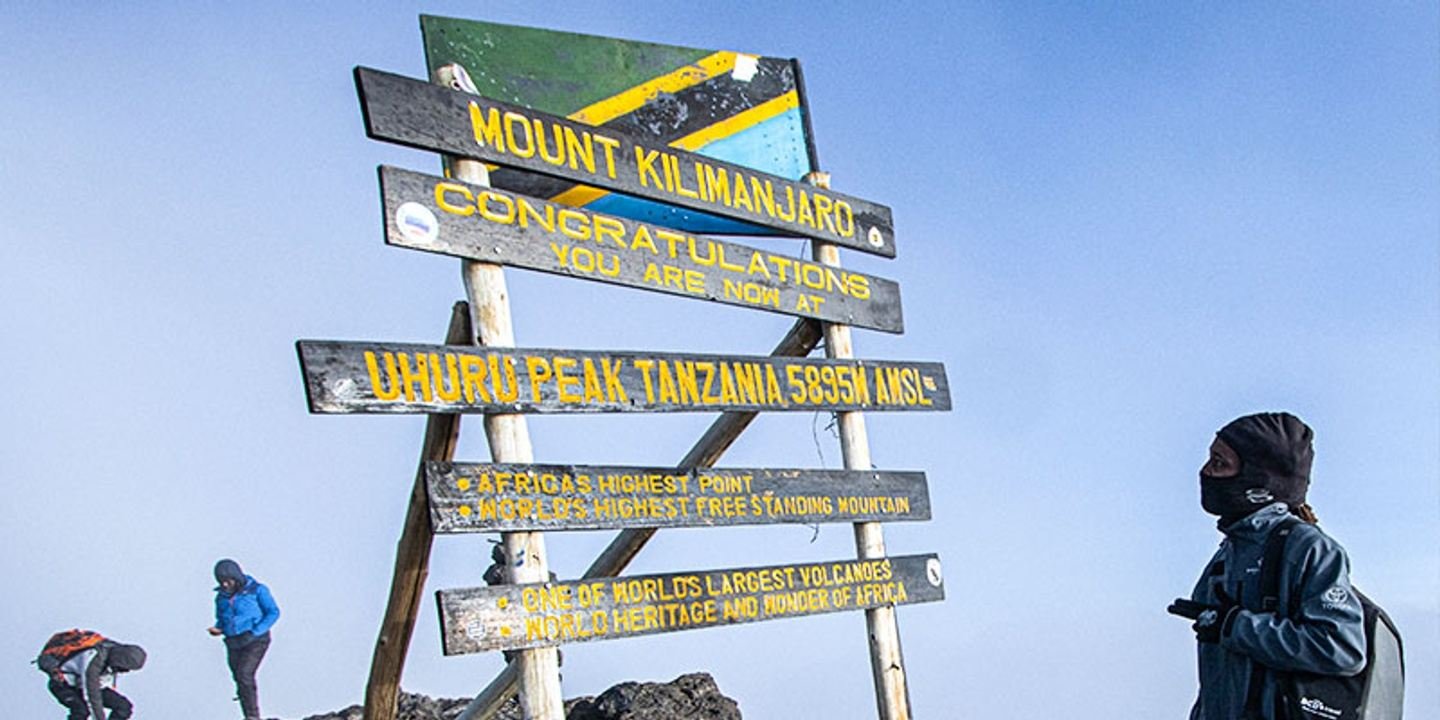
How to Climb Mount Kilimanjaro:
Essential Safety and Preparation Advice for a Successful Ascent
Mount Kilimanjaro is one of the world’s most accessible yet challenging high-altitude treks. For adventurers seeking to conquer Africa’s highest peak, this journey requires careful planning, proper gear, physical preparation, and awareness of environmental conditions. This comprehensive guide addresses optimal climbing seasons, training plans, essential gear checklists, methods to prevent altitude sickness, route comparisons, and emergency protocols. Whether you are a solo traveler, couple, group, or corporate client, this guide ensures that safety and success remain at the forefront of your Kilimanjaro expedition.


EXCELLENTVerified Safari of a Lifetime in Tanzania, We did a safari with Nyange Adventures covering Serengeti, Ngorongoro, and Lake Manyara. It was an absolute dream. Our guide (Joseph) was a true expert, spotting animals we would have never seen on our own. The lodges were fantastic, and the organization was flawless. We saw the Great Migration, lions, elephants, and so much more. Thank you, Nyange!Verified Safari of a Lifetime in Tanzania 100% recommended. Nyange Adventures made my Kilimanjaro climb an unforgettable experience. From the pre-climb briefing to the summit push, their guides were professional, knowledgeable, and incredibly supportive. The equipment was top-notch, and the food was surprisingly good on the mountain. Highly recommend them for anyone dreaming of conquering Kili. Climbing Kilimanjaro is tough, but Nyange Adventures' support team made it so much more manageable. The porters were amazing, and the cook prepared delicious and nourishing meals. Our head guide [Joseph] was experienced and prioritized our safety and well-being. Highly recommend their Kilimanjaro team.Verified Unforgettable Safari Experience. Our safari with Nyange Adventures through Lake Manyara and Serengeti was incredible! We saw so many animals in their natural habitat, and the expertise of the guide made each moment more enriching.Verified An incredible team and an unforgettable climb. The group tour I signed up for ended up being a solo trip due to last minute cancellations. However, this gave me great flexibility with the itinerary and a perfect opportunity to get to know the team. I felt safe, respected and taken care of as a female solo traveller. The whole trip felt seamless. Amnaay, the mountain guide, was instrumental to my successful summit - he was knowledgable and professional. The meals provided every day were freshly prepared and delicious. The team of porters amazed me every day with their physical abilities and joyful spirit. Bonding with the team was a highlight of the trip - not a day went by without someone bursting into a belly laugh! I also stayed at the Kibo View Farm before and after the climb, which was a little slice of heaven. I would highly recommend Nyange Adventures for their local expertise and fair treatment of porters.Verified A personal goal achieved thanks to the guidance and support received from the Nyange Adventures team. At age 73 I successfully completed the ascent of Mount Kilimanjaro, via the Lemosho route, a week ago today. Throughout the eight day trek and the final ascent to Uhuru Peak I was impressed by the guidance and support received at all times from the entire Nyange Adventures team. The guides, Mo and Colin, the cook, the waiter and the fantastic team of porters that accompanied me made my success possible, and I would therefore not hesitate to recommend Nyange Adventures to anyone considering the experience of climbing Mount Kilimanjaro.Verified Excellent and exceptional experience! My experience couldn't be better and I couldn't recommend Nyange more! They are excellent and I'm super satisfied with everything.I booked my climbing to Kilimanjaro with them and everything was perfect from the starting communication to the very last second I was with them.I'm a woman solo traveler and I felt safe every single time.All the staff is very nice, helpful and attentive. They really make the phrase "come as a client, leave as a friend" come true, I'll miss everyone! Special thanks to my guide in Kilimanjaro: Amnaay (if you wanna go with him, I assure you'll have a fun and pleasant time! He knows a lot, is very encouraging and literally held me when I couldn't walk anymore. I don't know if I could reach the summit without him and all the other guys that came with me - the cooker, waiter and porters, everyone special, very professional and has their space in my heart).They arranged everything I needed: my commuting from the city center to the farm (their farm is amaaaaazing, beautiful and the room was super comfortable and clean and with a breathtaking view of Kilimanjaro. All the delicious food they make is local - with ingredients from the farm), even in my last night Amnaay asked them if they could cook Ugali for me, and they did!The owner, Praise, is also very caring and himself always make sure that everything is ok, always having nice conversations, asking if I need something, etc.I could be here writing a review of 50 pages only speaking good things about them. Highly recommend! It was for sure the best experience in my life and thanks for them!Verified Highly Recommend Nyange Adventures - a life changing experience I highly recommend Nyange Adventures. Amina coordinated our tour and was extremely helpful, communicative, and accommodating. We did a 9-day safari and 3-days in Zanzibar all coordinated through Nyange Adventures for our honeymoon. It was the perfect amount of time if you plan to do both Central Serengeti (most popular) and Northern Serengeti (Wildebeest migration in September), which we did. I wish we had more time in Zanzibar, and we could have easily spent 5-7 days there and scuba dived. Our safari was exceptional because our guide, Joseph, was top notch. Joseph is so kind and professional. He went out of his way to make sure we had an incredible experience. Joseph knew where to go, when to wake up, and he was just as excited to see the wildlife as we were, which made it even better. Our stays were mid-tier, and we always had a shower and bathroom. Some stays were better than others, admittedly, but the food was always delicious and the hospitality of the staff was incredible. Be prepared to spend a lot of time in the car and on bumpy, wild, and remote roads... remember that is what a safari entails. Be patient and let go of control. In order to access once-in-a-lifetime nature, you have to rough it a bit. We enjoyed learning more about the history of Tanzania (Tan-gan-ika) and Swahili culture. Do not skip the tribe immersions (we met the Hadzabe, Datoga, and Masai tribes). Pay your white people tax and spread USD tips around. Bring a lot of cash with you as we had trouble accessing ATMs. I wish we brought more cash, so we didn't have to waste time figuring out how to pay once we arrived. Amina warned me, but I didn't understand and if I went again, I would bring even more USD. Hadiya was our guide in Zanzibar. We did a walking tour with her. She was very informative, kind, and helpful. Skip the spice tour if you can... it is a big tourist trap. After a safari, you might want some time to decompress at these incredible beaches. Be prepared that the tides are strong and occur in the middle of the day. Amina booked a perfect hotel for us - the Sunshine Marine Lodge. In Zanzibar, it really matters where you stay! My only regret is not scuba diving. We ended our days on safari with a campfire and a dancing ceremony. I would highly recommend learning Swahili words and using Swahili language with locals. There is a lot to learn from the people who live in Tanzania - every person we met had a unique story and shared more about their way of life. Be patient. Embrace their culture and learn something. I really didn't want to leave and I can't wait to go back. I think about this experience every day.Verified Best team ever! I can honestly say that this was one of the best experiences I have ever had traveling. It was made special because of the amazing people who supported our trek up Kily- from our awesome guides, Amnaay and Musa, to Oscar, our chef, who prepared delicious meals to Steve, our waiter,who ensured all of our needs were met to Mohammed who ensured our tents and sleeping quarters were up to snuff and ever porter who supported our hike. Everyday I looked forward to seeing our team on the mountain, they always had smiles on their faces and were cheering us along the way. We became family as we shared time together and I learned to trust my team. Nyange Adventures is top notch and I highly recommend Nyange for your trek up Kily!Verified Trip of a lifetime in the Ngorongoro crater with Rashidi Spent three days with Rashidi at the Ngorongoro crater and had the time of a life. Rashidi is an excellent guide. Not only can he spot the mammals, sometimes from kilometers away. But he can spot birds too. He can recognize the calls and finds them when they are hidden in thick bush. His English is great and he is knowledgeable about the land and people as well. We saw giraffes, lions, elephants, rhinos, serval cats, water buffalo, wildebeest, zebras, hippos, plus over 30 species of birds! Can’t recommend this company and Rashidi enough.Verified by TrustindexTrustindex verified badge is the Universal Symbol of Trust. Only the greatest companies can get the verified badge who has a review score above 4.5, based on customer reviews over the past 12 months. Read more
What Is the Best Time to Climb Mount Kilimanjaro for Safety and Success?
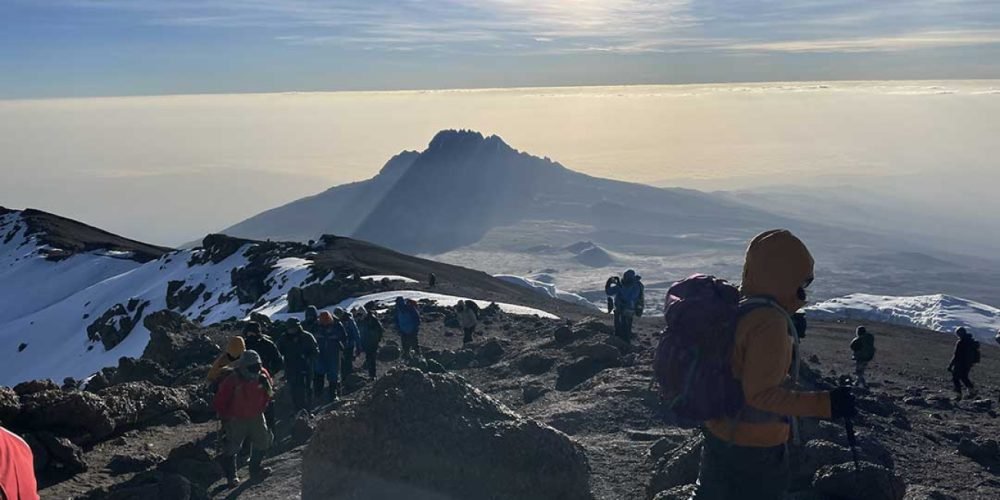
The best time to climb Kilimanjaro is during the dry seasons—typically from late June to October and from late December to February. Climbing during these periods reduces heavy rains, muddy trails, and low visibility. Dry conditions help prevent hypothermia from unexpected downpours and aid in acclimatization, which is critical to avoid altitude sickness.
When Are the Dry Seasons and Why Do They Matter?
The dry seasons are key to a safe and enjoyable climb. From late June to October, steady weather and clear skies prevail; from late December to February, conditions are similarly favorable though sometimes busier due to holiday travel. Dry weather minimizes flash flood risks and ensures firm trail surfaces, providing better grip on rocky sections. Predictable conditions allow climbers to pace themselves and schedule necessary rest days for proper acclimatization.
How Does Weather Affect Climbing Safety on Kilimanjaro?
Weather directly impacts climber safety. Cold temperatures at higher altitudes raise the risk of hypothermia if proper gear isn’t used, while intense sunlight at lower elevations can cause dehydration or sunburn. Sudden changes may disrupt planned evacuations or emergency responses. Stable weather allows for sustained pace and optimal planning, as accurate forecasts help determine the best window for a safe ascent.
What Are the Risks of Climbing During the Rainy Season?
The rainy season brings slippery trails, poor visibility, and a heightened risk of hypothermia. Muddy conditions can lead to sprains or falls, while prolonged exposure to damp weather may cause respiratory issues and further lower body temperature. Moreover, heavy rains increase the risk of altitude sickness through dehydration and circulatory stress. For climbers, especially those with limited high-altitude experience, it is advisable to avoid the rainy season.
Planning a Mount Kilimanjaro expedition?
Get in touch, our expert team is here to assist.
How Should You Prepare Physically for Climbing Mount Kilimanjaro?
Physical readiness is as important as logistical planning. The multi-day ascent requires exceptional cardiovascular fitness and muscular endurance. A targeted training program that includes both cardio and strength workouts will build the necessary stamina and resilience; simulating altitude conditions during training can help prepare your body for lower oxygen levels.
What Are the Best Training Plans for Kilimanjaro Climbers?
A robust training plan includes aerobic exercise (running, hiking, cycling, swimming) at least three to four times per week, complemented by strength training exercises like lunges, squats, and leg presses. Interval training and high-intensity workouts boost overall endurance. Simulated hikes with weighted backpacks mimic real-world conditions, ensuring gradual progressive overload over several months. This systematic approach prepares your body to withstand the continuous physical stress of a high-altitude trek.
How Do Cardio and Strength Training Improve Climbing Readiness?
Cardio exercises improve oxygen circulation, which is vital in environments where oxygen is scarce. Strength training targets key muscle groups (quadriceps, hamstrings, calves, and core), supporting proper posture and reducing fatigue and injury risk. Together, these workouts boost stamina, balance, and overall endurance, creating a solid foundation for a successful Kilimanjaro expedition.
How Can You Simulate Altitude Training Before the Climb?
Altitude simulation can be achieved using altitude masks or hypoxic training chambers that reduce available oxygen during exercise, stimulating red blood cell production. Alternatively, high-intensity interval training at naturally higher altitudes can help if facilities are available. For those without access to such resources, increasing cardio workout intensity while monitoring recovery effectively mimics the reduced oxygen conditions found on the mountain.
What Essential Gear and Equipment Do You Need for a Safe Kilimanjaro Climb?
Choosing the right gear is crucial to enhance comfort and safety on Kilimanjaro. From specialized clothing and footwear to camping equipment and portable medical kits, every item contributes to a successful expedition. Quality gear protects you against harsh weather conditions and ensures efficiency throughout the climb.
Which Clothing Layers Are Necessary for Kilimanjaro’s Climate?
Layering is essential to adapt to rapidly changing conditions. Start with a moisture-wicking base layer, add an insulating mid-layer (fleece or down), and finish with an outer layer that repels wind and water. Accessories like thermal socks, gloves, and hats are vital, especially at high-altitude camps where temperatures drop sharply. Each layer regulates body temperature and moisture, ensuring you stay dry and comfortable.
What Are the Best Hiking Boots and Backpack Choices?
Hiking boots must provide durability, strong ankle support, and waterproof protection. Look for boots with grippy soles designed for rocky terrain. Backpacks should offer padded straps, adjustable waist belts, and multiple compartments for organization, ensuring even weight distribution and easy access to essentials such as water, food, and emergency supplies.
How to Create a Comprehensive Kilimanjaro Gear Checklist?
A complete gear checklist covers clothing, footwear, technical items, personal belongings, and emergency supplies. Begin by listing all clothing layers and high-performance boots, then add technical equipment like trekking poles, headlamps, and GPS devices. Don’t forget camping essentials (tents, sleeping bags, portable stoves) and personal items like first aid kits and water purification tools.The table below summarizes key gear categories:
Equipment Category | Essential Features | Benefits |
|---|---|---|
Clothing | Moisture-wicking base, insulated mid, windproof outer | Temperature regulation, moisture control |
Footwear | Waterproof, ankle support, durable soles | Stability and injury prevention |
Backpack | Padded straps, multiple compartments, lightweight | Even weight distribution |
Camping Gear | 4-season tent, rated sleeping bag, portable stove | Shelter, warmth, food preparation |
Emergency Supplies | First aid kit, water filter, emergency beacon | Immediate medical response |
How Can You Prevent and Manage Altitude Sickness on Mount Kilimanjaro?
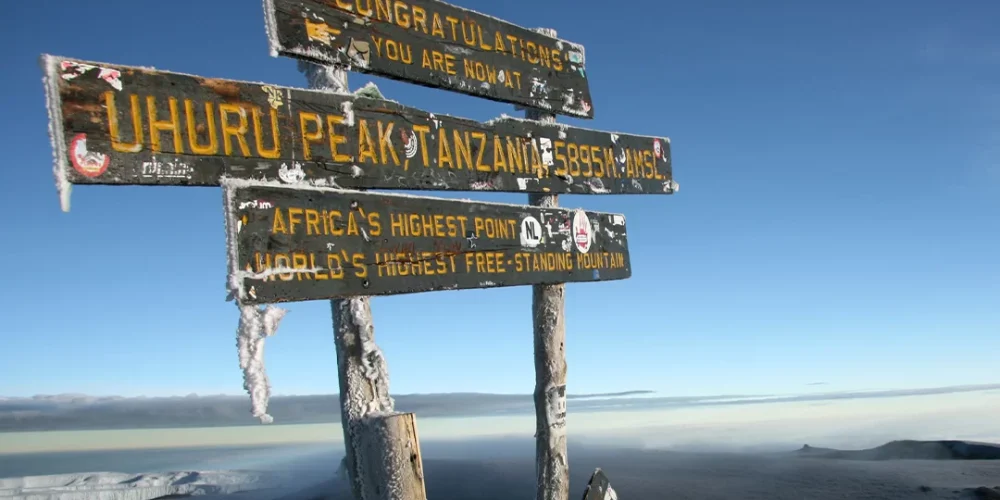
Altitude sickness is a primary concern during the ascent. Prevention is centered on gradual acclimatization and recognizing early symptoms. Strategies combine non-pharmacological methods (hydration, pacing) with available medications if needed. Even with careful preparation, mild to moderate symptoms can occur, making emergency planning essential.
What Are the Common Symptoms of Altitude Sickness?
Symptoms include headache, nausea, dizziness, fatigue, and shortness of breath. In severe cases, confusion, vomiting, and loss of coordination may occur. Early recognition is crucial so that climbers can slow down or descend if symptoms worsen. Medical advice emphasizes immediate action to prevent life-threatening complications such as high-altitude cerebral edema (HACE) or pulmonary edema (HAPE).
What Strategies Help With Acclimatization and Prevention?
A planned, gradual ascent with scheduled rest days facilitates acclimatization. The “climb high, sleep low” technique helps the body adjust to thinner air by exposing climbers to higher altitudes during the day and returning to lower elevations for overnight rest. Supplemental oxygen is rarely required but should be available for emergencies. Additionally, medications like acetazolamide support acclimatization by increasing breathing efficiency, while proper hydration, limited alcohol, and a carbohydrate-rich diet further ease the transition to high altitudes.
How Should You Treat Altitude Sickness During the Climb?
At the first sign of symptoms, climbers should pause the ascent, hydrate, and rest. Over-the-counter pain relievers and anti-nausea medications can provide temporary relief. Persistent or worsening symptoms require immediate descent and professional medical attention. Regular communication with guides is critical to assess health and decide on potential evacuation if needed.
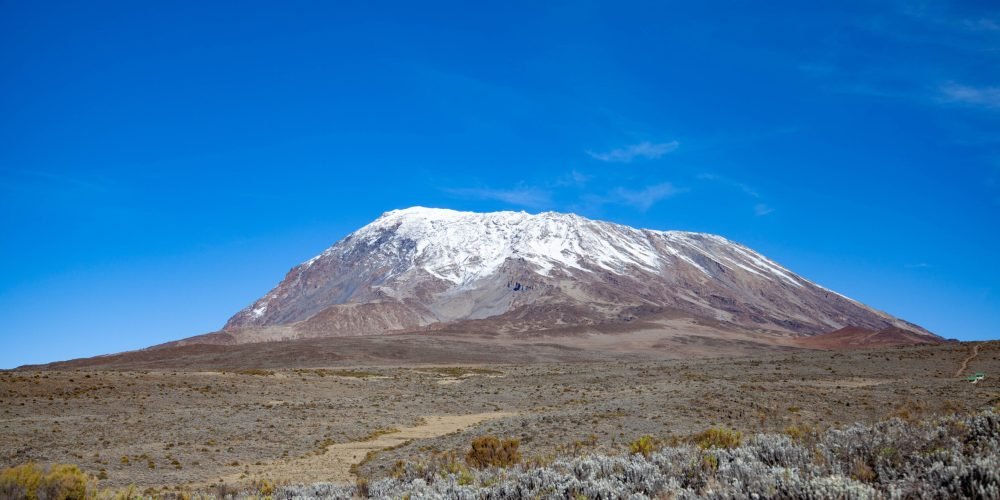
Which Climbing Routes Offer the Best Balance of Safety and Experience?
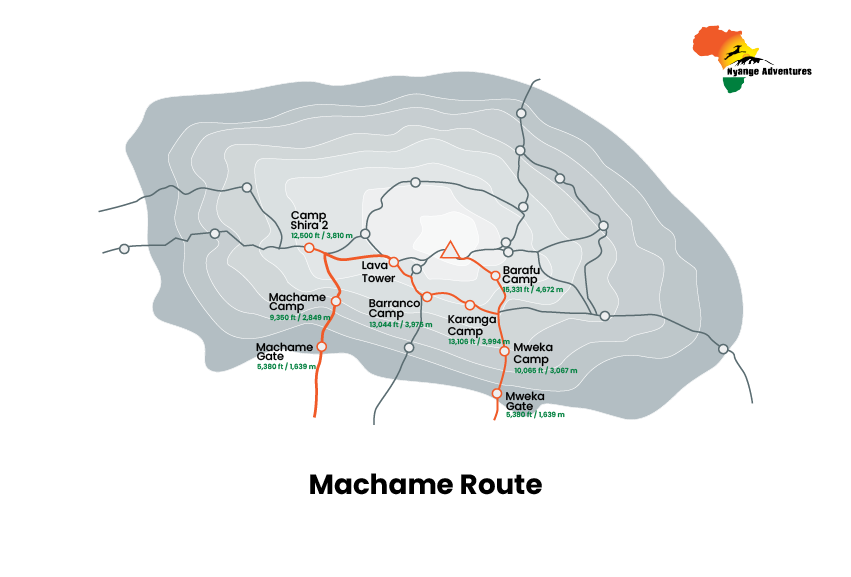
Kilimanjaro offers various routes—each with distinct scenic, acclimatization, and technical profiles. The chosen route has a significant impact on the safety and overall experience. Popular routes like Machame, Lemosho, and Marangu provide different balances of physical challenge and comfort.
Also known as the “Whiskey Route,” Machame is celebrated for its panoramic views and varied terrain. With a duration of about 6–7 days, the route allows for gradual acclimatization. Its diverse landscapes—from lush rainforests at the base to alpine deserts near the peak—make it popular among adventurous climbers who seek both challenge and rewarding vistas.
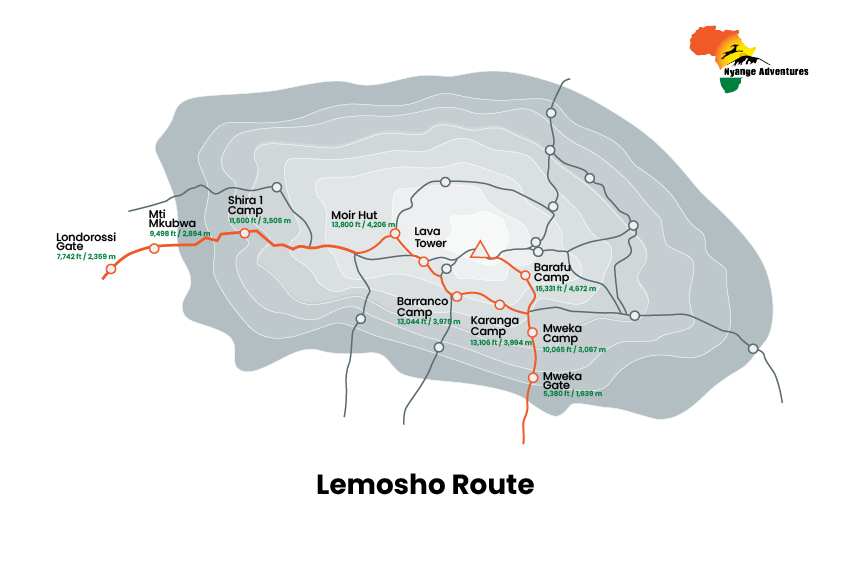
Lemosho is renowned for its scenic beauty and excellent acclimatization profile. Spanning 7 to 8 days, it provides additional days at moderate altitudes for a smoother adjustment. Although the trek may be slightly longer in distance, the extra time helps lower the risk of altitude sickness while offering occasional solitude and diverse ecosystems.
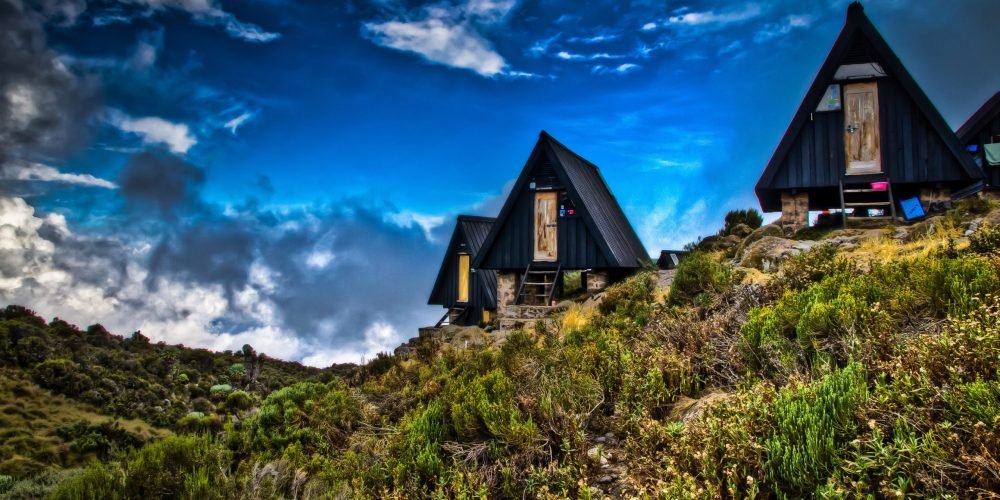
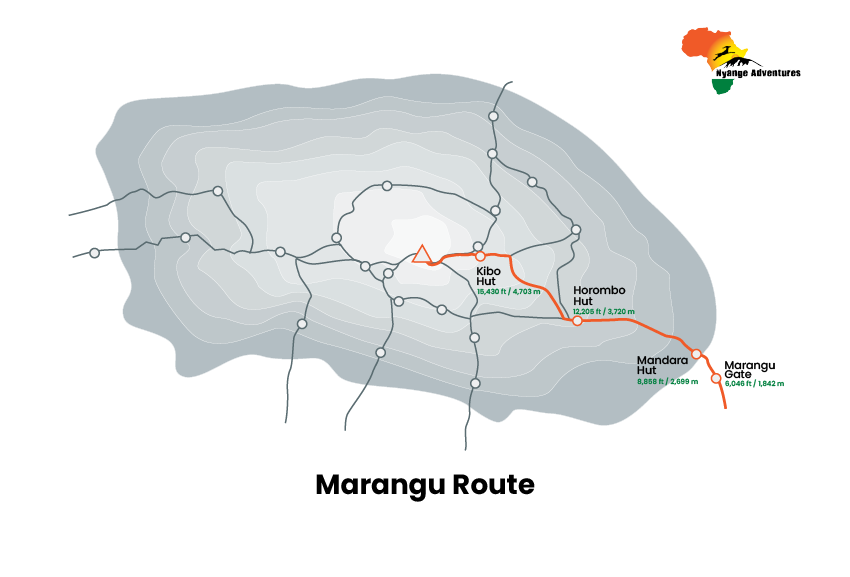
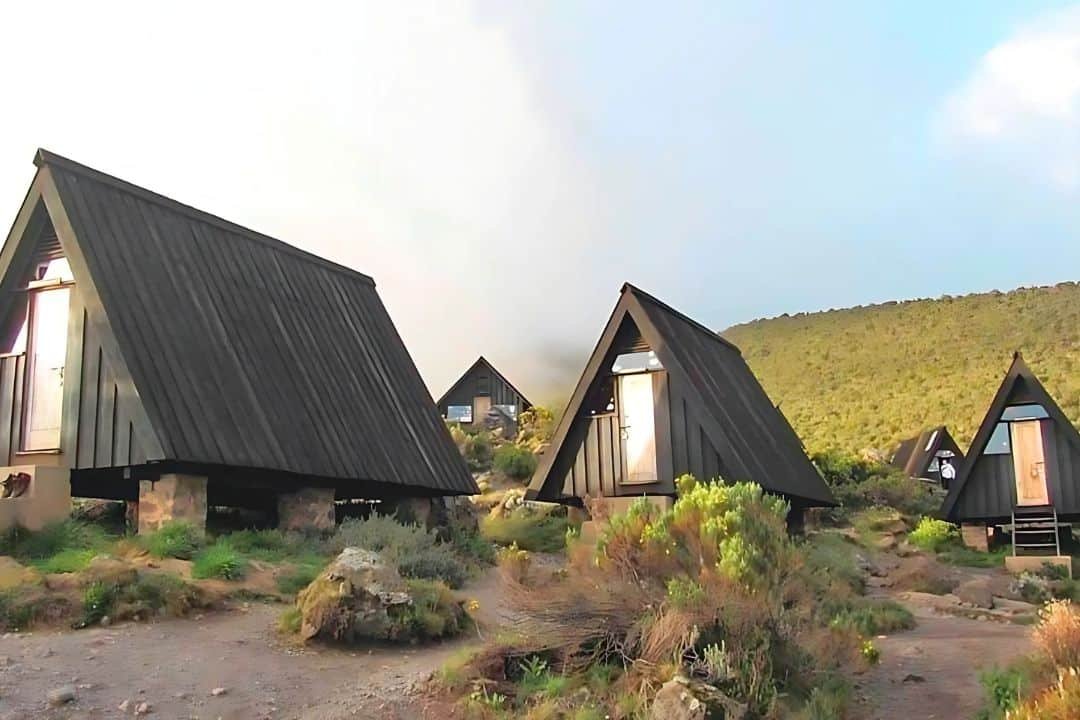
The Marangu Route, often called the “Coca-Cola” route, is known for its hut accommodations and relatively straightforward path. While it is less physically demanding, its fixed itinerary may be less flexible for acclimatization. Its accessibility makes it popular among beginners, though higher crowd levels and a less varied scenic experience are common trade-offs.
What Are the Typical Costs and Budgeting Tips for Kilimanjaro Climbs?
The overall cost of a Kilimanjaro expedition ranges from approximately $1800 to $4000, depending on the chosen route, level of service, and additional amenities. Budgeting should take into account permit fees, guide and porter tips, equipment rentals, and camping gear. Comparing package inclusions and considering group discounts can help manage expenses effectively.
What Emergency Procedures and First Aid Measures Should You Know?
Effective emergency measures are vital to managing unforeseen incidents such as altitude sickness, injuries, or sudden weather changes. Climbers should carry a well-stocked medical kit and be familiar with basic first aid protocols. Pre-arranged emergency plans and clear communication with guides and medical facilities can mean the difference between a safe rescue and a critical situation.
What Should a Kilimanjaro Medical Kit Include?
A comprehensive kit should include bandages, antiseptics, pain relievers, and altitude sickness medications like acetazolamide. It should also contain blister treatments, anti-inflammatory drugs, water purification tablets, and emergency thermal blankets. Regular checks ensure that supplies remain adequate throughout the ascent.
How to Respond to Emergencies on the Mountain?
In an emergency, the first response is to halt the ascent, administer first aid, and notify the guide immediately. Using communication devices such as walkie-talkies or satellite phones can quickly summon help. Clear emergency protocols and a designated chain of command ensure that each team member knows their role during a crisis.
When and How to Evacuate Due to Health Risks?
Evacuation is necessary if severe symptoms—such as persistent headache, confusion, or respiratory distress—occur. Climbers should descend immediately with guidance support. In extreme cases, rapid evacuation via helicopter may be required to transport climbers to lower elevations or medical facilities.
Frequently Asked Questions
The dry seasons—late June to October and late December to February—offer stable weather and safer conditions for acclimatization, minimizing risks such as heavy rain and slip hazards.
Start training 3 to 6 months in advance, incorporating cardio, strength workouts, and simulated hikes with a weighted backpack to build endurance and muscle strength.
Pack layered clothing (base, mid, and outer layers), durable hiking boots, a quality backpack, camping gear (tent, sleeping bag), trekking poles, a well-stocked first aid kit, and personal hygiene items. Refer to trusted gear checklists for specifics.
Ascend gradually, schedule rest days for acclimatization, stay well hydrated, consume a carbohydrate-rich diet, and use prophylactic medications if advised. Always monitor your symptoms closely and be prepared to descend if needed.
The Marangu Route is popular with beginners due to hut accommodations and a straightforward path, though climbers should still pace themselves to manage altitude-related challenges.
Costs generally range from approximately $1800 to $4000, depending on the route, operator, and service inclusions. Budgeting should account for permits, gear, tips, and extra expenses.
Carry a comprehensive medical kit, ensure all communication devices are functional, know the evacuation routes, and secure pre-arranged support from experienced guides or medical professionals.
Real Reviews from Real Trekkers
EXCELLENTVerified Safari of a Lifetime in Tanzania, We did a safari with Nyange Adventures covering Serengeti, Ngorongoro, and Lake Manyara. It was an absolute dream. Our guide (Joseph) was a true expert, spotting animals we would have never seen on our own. The lodges were fantastic, and the organization was flawless. We saw the Great Migration, lions, elephants, and so much more. Thank you, Nyange!Verified Safari of a Lifetime in Tanzania 100% recommended. Nyange Adventures made my Kilimanjaro climb an unforgettable experience. From the pre-climb briefing to the summit push, their guides were professional, knowledgeable, and incredibly supportive. The equipment was top-notch, and the food was surprisingly good on the mountain. Highly recommend them for anyone dreaming of conquering Kili. Climbing Kilimanjaro is tough, but Nyange Adventures' support team made it so much more manageable. The porters were amazing, and the cook prepared delicious and nourishing meals. Our head guide [Joseph] was experienced and prioritized our safety and well-being. Highly recommend their Kilimanjaro team.Verified Unforgettable Safari Experience. Our safari with Nyange Adventures through Lake Manyara and Serengeti was incredible! We saw so many animals in their natural habitat, and the expertise of the guide made each moment more enriching.Verified An incredible team and an unforgettable climb. The group tour I signed up for ended up being a solo trip due to last minute cancellations. However, this gave me great flexibility with the itinerary and a perfect opportunity to get to know the team. I felt safe, respected and taken care of as a female solo traveller. The whole trip felt seamless. Amnaay, the mountain guide, was instrumental to my successful summit - he was knowledgable and professional. The meals provided every day were freshly prepared and delicious. The team of porters amazed me every day with their physical abilities and joyful spirit. Bonding with the team was a highlight of the trip - not a day went by without someone bursting into a belly laugh! I also stayed at the Kibo View Farm before and after the climb, which was a little slice of heaven. I would highly recommend Nyange Adventures for their local expertise and fair treatment of porters.Verified A personal goal achieved thanks to the guidance and support received from the Nyange Adventures team. At age 73 I successfully completed the ascent of Mount Kilimanjaro, via the Lemosho route, a week ago today. Throughout the eight day trek and the final ascent to Uhuru Peak I was impressed by the guidance and support received at all times from the entire Nyange Adventures team. The guides, Mo and Colin, the cook, the waiter and the fantastic team of porters that accompanied me made my success possible, and I would therefore not hesitate to recommend Nyange Adventures to anyone considering the experience of climbing Mount Kilimanjaro.Verified Excellent and exceptional experience! My experience couldn't be better and I couldn't recommend Nyange more! They are excellent and I'm super satisfied with everything.I booked my climbing to Kilimanjaro with them and everything was perfect from the starting communication to the very last second I was with them.I'm a woman solo traveler and I felt safe every single time.All the staff is very nice, helpful and attentive. They really make the phrase "come as a client, leave as a friend" come true, I'll miss everyone! Special thanks to my guide in Kilimanjaro: Amnaay (if you wanna go with him, I assure you'll have a fun and pleasant time! He knows a lot, is very encouraging and literally held me when I couldn't walk anymore. I don't know if I could reach the summit without him and all the other guys that came with me - the cooker, waiter and porters, everyone special, very professional and has their space in my heart).They arranged everything I needed: my commuting from the city center to the farm (their farm is amaaaaazing, beautiful and the room was super comfortable and clean and with a breathtaking view of Kilimanjaro. All the delicious food they make is local - with ingredients from the farm), even in my last night Amnaay asked them if they could cook Ugali for me, and they did!The owner, Praise, is also very caring and himself always make sure that everything is ok, always having nice conversations, asking if I need something, etc.I could be here writing a review of 50 pages only speaking good things about them. Highly recommend! It was for sure the best experience in my life and thanks for them!Verified Highly Recommend Nyange Adventures - a life changing experience I highly recommend Nyange Adventures. Amina coordinated our tour and was extremely helpful, communicative, and accommodating. We did a 9-day safari and 3-days in Zanzibar all coordinated through Nyange Adventures for our honeymoon. It was the perfect amount of time if you plan to do both Central Serengeti (most popular) and Northern Serengeti (Wildebeest migration in September), which we did. I wish we had more time in Zanzibar, and we could have easily spent 5-7 days there and scuba dived. Our safari was exceptional because our guide, Joseph, was top notch. Joseph is so kind and professional. He went out of his way to make sure we had an incredible experience. Joseph knew where to go, when to wake up, and he was just as excited to see the wildlife as we were, which made it even better. Our stays were mid-tier, and we always had a shower and bathroom. Some stays were better than others, admittedly, but the food was always delicious and the hospitality of the staff was incredible. Be prepared to spend a lot of time in the car and on bumpy, wild, and remote roads... remember that is what a safari entails. Be patient and let go of control. In order to access once-in-a-lifetime nature, you have to rough it a bit. We enjoyed learning more about the history of Tanzania (Tan-gan-ika) and Swahili culture. Do not skip the tribe immersions (we met the Hadzabe, Datoga, and Masai tribes). Pay your white people tax and spread USD tips around. Bring a lot of cash with you as we had trouble accessing ATMs. I wish we brought more cash, so we didn't have to waste time figuring out how to pay once we arrived. Amina warned me, but I didn't understand and if I went again, I would bring even more USD. Hadiya was our guide in Zanzibar. We did a walking tour with her. She was very informative, kind, and helpful. Skip the spice tour if you can... it is a big tourist trap. After a safari, you might want some time to decompress at these incredible beaches. Be prepared that the tides are strong and occur in the middle of the day. Amina booked a perfect hotel for us - the Sunshine Marine Lodge. In Zanzibar, it really matters where you stay! My only regret is not scuba diving. We ended our days on safari with a campfire and a dancing ceremony. I would highly recommend learning Swahili words and using Swahili language with locals. There is a lot to learn from the people who live in Tanzania - every person we met had a unique story and shared more about their way of life. Be patient. Embrace their culture and learn something. I really didn't want to leave and I can't wait to go back. I think about this experience every day.Verified Best team ever! I can honestly say that this was one of the best experiences I have ever had traveling. It was made special because of the amazing people who supported our trek up Kily- from our awesome guides, Amnaay and Musa, to Oscar, our chef, who prepared delicious meals to Steve, our waiter,who ensured all of our needs were met to Mohammed who ensured our tents and sleeping quarters were up to snuff and ever porter who supported our hike. Everyday I looked forward to seeing our team on the mountain, they always had smiles on their faces and were cheering us along the way. We became family as we shared time together and I learned to trust my team. Nyange Adventures is top notch and I highly recommend Nyange for your trek up Kily!Verified Trip of a lifetime in the Ngorongoro crater with Rashidi Spent three days with Rashidi at the Ngorongoro crater and had the time of a life. Rashidi is an excellent guide. Not only can he spot the mammals, sometimes from kilometers away. But he can spot birds too. He can recognize the calls and finds them when they are hidden in thick bush. His English is great and he is knowledgeable about the land and people as well. We saw giraffes, lions, elephants, rhinos, serval cats, water buffalo, wildebeest, zebras, hippos, plus over 30 species of birds! Can’t recommend this company and Rashidi enough.Verified by TrustindexTrustindex verified badge is the Universal Symbol of Trust. Only the greatest companies can get the verified badge who has a review score above 4.5, based on customer reviews over the past 12 months. Read more